VRA pushes for 59% tariff hike to sustain power generation
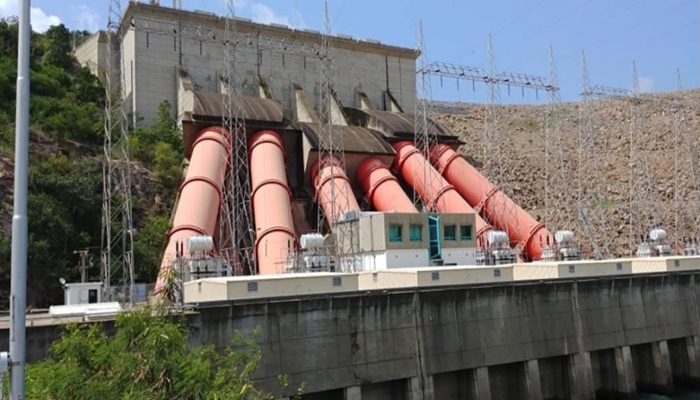
The Volta River Authority (VRA) has applied to the Public Utilities Regulatory Commission (PURC) for a sharp upward adjustment in its Bulk Generation Charge (BGC), proposing a 59 per cent increase.
In its submission, the Authority is requesting approval to raise the tariff from the current 45.0892 Ghana pesewas per kilowatt-hour to 71.8862 pesewas per kilowatt-hour.
VRA maintains that the adjustment is essential to recover the full cost of generating electricity supplied to distribution companies (DISCOs).
The Authority cautions that without this increase, sustaining reliable electricity generation and meeting its operational and financial commitments could become unsustainable.
VRA further argued that the proposed review aligns with the broader effort to stabilise Ghana’s power sector, which has been under pressure from rising costs and revenue shortfalls.
The tariff request comes alongside submissions from other distribution utilities.
The Electricity Company of Ghana (ECG) is proposing a charge of 55.7671 pesewas per kilowatt-hour, while the Northern Electricity Distribution Company (NEDCo) is demanding 92.7333 pesewas per kilowatt-hour.
The Enclave Power Company Limited (EPCL), however, tops the list with a request for 147.1775 pesewas per kilowatt-hour.
If approved, the proposed hikes could significantly raise electricity tariffs for households and businesses, potentially igniting fresh debate over affordability, cost recovery and long-term sector sustainability.
The VRA’s application also coincides with ECG’s separate proposal for a drastic review of its Distribution Service Charge (DSC1). ECG is seeking an average 224 per cent increase over the 2025 to 2029 tariff period.
Under the plan, the charge would jump from the current GHp19.0875/kWh to GHp61.8028/kWh.
ECG justified the move by citing inflationary pressures, foreign exchange volatility, rising interest rates and the need for full cost recovery on investments.
Its projections estimate annual revenue requirements of about GHS 9.1 billion over the next five years, covering operational costs, staff expenses, depreciation, capital recovery and taxes.
The PURC is expected to scrutinise the proposals before making a decision, which could have far-reaching implications for both consumers and the energy sector.