Cedi slips to GH₵12.11
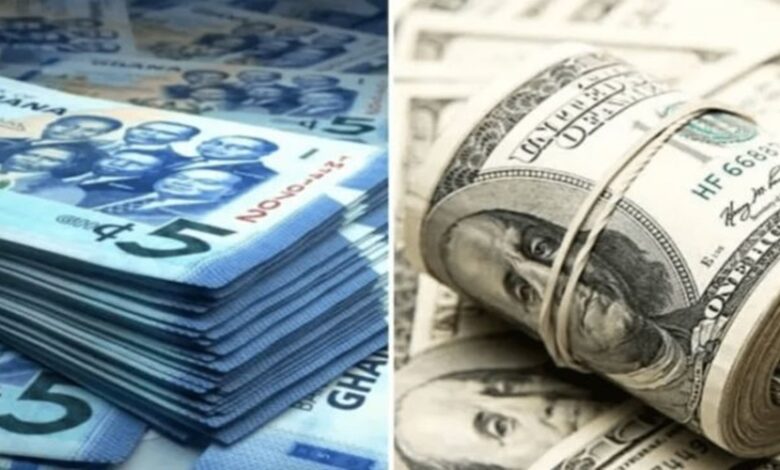
The Ghanaian Cedi slipped further on the foreign exchange market on Tuesday, 9 September 2025, closing at GHS12.1100 to the US dollar, a 0.25 per cent decline from the previous trading session.
The movement underscores continued pressure on the local currency despite signs of resilience over the longer term.
Over the past month, the Cedi has lost nearly 15 per cent of its value, driven largely by heightened dollar demand from importers and individuals.
Businesses, especially in the retail and import sectors, have rushed to settle international obligations, intensifying the need for hard currency.
At the same time, local inflationary pressures are prompting households to hedge against the rising cost of living by converting savings into dollars.
Despite the sharp monthly depreciation, the Cedi still stands 22.5 per cent stronger than it was a year ago, pointing to some durability in Ghana’s economic fundamentals.
Analysts note that strong gold export revenues and earlier stability in inflation have provided a buffer, although these have not been sufficient to counterbalance the latest surge in retail-driven dollar demand.
The recent slide effectively ends the Cedi’s brief rally recorded earlier this year, when seasonal inflows from cocoa and donor support helped shore up the currency.
The Bank of Ghana (BoG) has reduced its direct supply of dollars to the market, a move aimed at conserving reserves but one that has allowed market pressures to weigh more heavily on the Cedi.
According to checks by the New Finder, as of 9 September, forex bureaus in Accra were buying dollars at GHS13.00 and selling at GHS13.35, significantly wider than the BoG’s official rate of GHS12.04/12.06.
The disparity underscores the gap between the official interbank market and retail transactions, reflecting the persistent imbalance between supply and demand in the FX market.
While traders anticipate further short-term weakness, some analysts maintain that the Cedi’s year-on-year performance points to underlying stability. They argue that as long as gold and oil export earnings remain steady, and with the government’s fiscal discipline under IMF oversight, the currency could avoid a prolonged downward spiral.