

Engineers caution gov’t over new Accra–Kumasi expressway plan
By Solomon Nartey Tetteh
The Ghana Institution of Engineering (GhIE) has criticised the government’s decision to construct a new Accra–Kumasi Expressway while the ongoing dualisation of the existing highway remains unfinished, describing the move as “ill-advised”.
According to the institution, the proposed expressway first announced by President John Dramani Mahama risks becoming a rushed and unsustainable venture if construction begins within the next year or two.
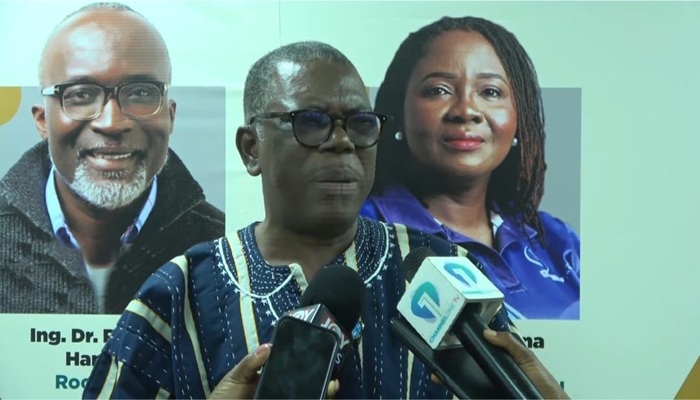
President of GhIE, Ing. Ludwig Annang Hesse, stressed that a project of such scale demands no less than five years of detailed engineering assessments and preparatory work.
He warned that anything shorter could result in substandard infrastructure that deteriorates prematurely.
Ing. Hesse urged the government to prioritise completion of the current dualisation project and consider developing an alternative railway corridor to ease congestion and improve mobility.
He cautioned that launching a new greenfield expressway without adequate groundwork could lead to delays and possible abandonment.
“Projects like a new expressway between Accra and Kumasi should take not less than five years to prepare from concept to engineering before breaking ground. Any government that begins such a project within one year, without proper planning, is setting it up to fail. If we want another expressway, we must start planning now and take the necessary five to ten years to deliver it. For now, we should invest in the existing road and complete its dualisation,” Ing. Hesse stated.
Ing. Hesse made these remarks at the maiden Ghana Geotechnical and Geosynthetics Conference, held from 3 to 4 September 2025 at the Kwame Nkrumah University of Science and Technology (KNUST). The conference, themed “The Critical Role of Geotechnical Engineering in the Nexus Between Green Engineering and Public Safety”, brought together professionals in geotechnical and geosynthetics engineering to explore their role in advancing green infrastructure, enhancing public safety, and addressing sectoral gaps.



