

Russia offers to build Niger’s first nuclear plant
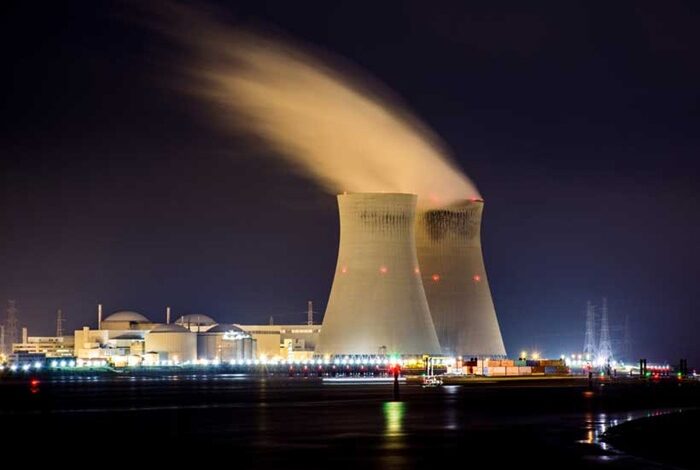
Russia has dangled the possibility of building Niger’s first nuclear power plant, a project that, if realised, would mark a historic shift in West Africa’s energy landscape.
Though still at the discussion stage, Moscow’s overture underscores its ambition to expand influence in the Sahel while displacing France, Niger’s longtime uranium partner.
Niger, a vast arid country on the edge of the Sahara, has supplied uranium for decades but imports most of its electricity.
For more than fifty years, French nuclear giant Orano (formerly known as Areva) mined uranium for France’s energy sector without sharing nuclear power technology with its African supplier. Niger was left reliant on coal-fired plants and imported power from Nigeria.
That dynamic changed dramatically after the military junta seized power in July 2023 and severed ties with Paris. In June, Orano’s local operations were nationalised, opening the door for Russia’s state-owned nuclear corporation, Rosatom, to step in.
Under a new cooperation agreement, Moscow has promised not only to explore nuclear power generation but also to invest in medical applications and training Nigerien experts.
“Our task is not simply to participate in uranium mining. We must create an entire system of energy in Niger,” Russian Energy Minister Sergei Tsivilev stated during a July visit to Niamey.
The stakes are high. Niger sits on one of the world’s largest untapped uranium deposits at Imouraren, where Orano’s plans stalled after the 2011 Fukushima disaster led to a global slump in uranium demand.
The junta has since revoked Orano’s rights, potentially paving the way for Russian control.
Russia may also acquire Niger’s stockpile of 1,400 tonnes of ‘yellowcake’ uranium concentrate from the Arlit mine, seized from Orano in June.
Initially blocked by ECOWAS sanctions, the shipments remain frozen even after sanctions were lifted, with interest from Russia, China and briefly Iran.
However, U.S. intervention discouraged that option.
Yet, technical and security obstacles loom large. Building a nuclear power plant requires billions in investment, years of construction and a stable security environment.
Western Niger remains vulnerable to jihadist insurgencies, while demand for nuclear-generated electricity may outstrip what Niger’s fragile economy can sustain.
Across the Sahel, military regimes in Mali and Burkina Faso have already pushed for greater local control over gold mining, forcing foreign investors to share profits and refine ore locally. Niger appears set on a similar path for uranium.
The end of France’s dominance is not without bitterness. Orano’s Niger director, Ibrahim Courmo, has been detained without charge since May.
Meanwhile, a Nigerien official told ‘Le Monde’ that the French company had been “stuffing itself with our country’s natural resources.”



