

Legal timber, lasting impact
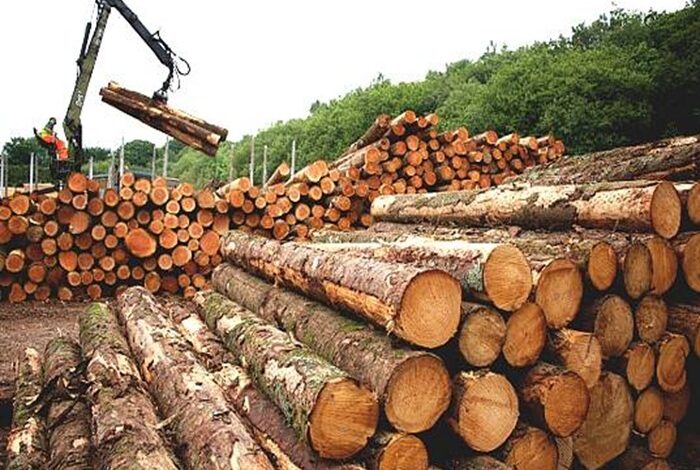
Ghana’s entry into the European Union’s timber market under the Forest Law Enforcement, Governance, and Trade (FLEGT) licensing regime is not merely a bureaucratic achievement. It is a bold declaration of intent. It signals Ghana’s readiness to compete on the global stage with integrity, sustainability, and economic foresight.
For too long, the timber industry in Ghana has been marred by illegal logging, opaque supply chains, and environmental degradation. The issuance of FLEGT licences to five pioneering companies marks a decisive shift. It is a triumph of governance over graft, and of long-term stewardship over short-term exploitation.
Ghana now stands as the first African nation and only the second globally after Indonesia to meet the EU’s stringent timber legality requirements. That distinction is not symbolic; it is strategic.
The implications for trade are profound. With the EU’s October 2025 deadline looming, Ghana’s compliance positions it as a low-risk, high-integrity supplier in a market increasingly driven by ethical sourcing.
The FLEGT licence is more than a stamp. It is a passport to preferential access, reduced scrutiny, and enhanced competitiveness. For exporters, this means smoother transactions, stronger buyer confidence, and the potential for premium pricing.
But the ripple effects extend far beyond the port. Timber-producing regions, many of which have borne the brunt of illegal logging, now have a stake in a system that rewards legality and sustainability.
Communities in forest-rich areas such as Western, Ashanti, and Eastern regions stand to benefit from improved forest governance, job creation, and reinvestment in local infrastructure. When timber is harvested legally, it is not just the trees that are protected. It is the livelihoods of those who depend on them.
Moreover, the economic dividends are compelling. The EU’s commitment of €37 million towards natural resource management, coupled with €400,000 in IT equipment for the Forestry Commission, reflects a partnership built on trust and shared values. This infusion of capital and technology will strengthen regulatory oversight, improve data transparency, and enhance the sector’s resilience.
Yet, this is not the time for complacency. The FLEGT licence is a privilege earned, not a guarantee bestowed. Companies must uphold the standards that brought Ghana to this milestone.
Government must continue to enforce laws with vigour, and civil society must remain vigilant. The timber industry must evolve from extraction to regeneration, from profit to purpose.
The nation’s FLEGT breakthrough is a model for how trade can be a tool for transformation. It is a reminder that when legality, sustainability, and economic ambition align, the result is not just growth. It is greatness.



