World Bank attributes cedi rebound to fiscal discipline, debt progress
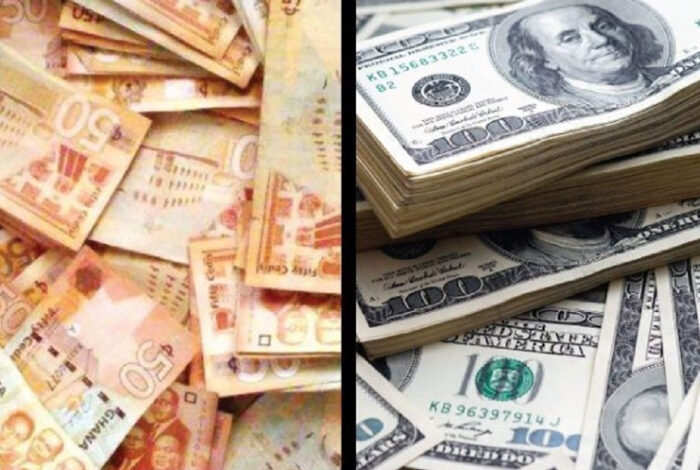
The Ghana cedi has posted notable gains in 2025, buoyed by tighter fiscal discipline and progress on debt restructuring, according to the World Bank’s 9th Ghana Economic Update.
The Bank says the rebound reflects improving macroeconomic fundamentals that are restoring confidence among investors and development partners.
Headline inflation, which remained stubbornly above 20 percent throughout 2024, has now seen consistent declines.
By July 2025, inflation had dropped to 12.1 percent, down from 13.7 percent in June, marking the seventh consecutive month of decline.
This is the lowest level recorded since October 2021, and the Bank describes the development as a sign of stabilisation that is underpinning the local currency.
The report attributes these gains to renewed fiscal discipline, including spending restraint and enforcement of new fiscal rules in the first half of the year.
“Tighter expenditure controls are key to Ghana’s ongoing recovery,” the World Bank notes, adding that credible fiscal measures are helping to anchor market expectations.
Debt restructuring has also been a critical factor. Ghana completed its Eurobond exchange in late 2024 and signed a Memorandum of Understanding with official creditors in January 2025, easing external financing pressures.
On 25 July, Ghana and France signed a bilateral agreement formalising debt relief under the ongoing external debt programme, providing further breathing space for the economy. Negotiations with commercial creditors are still in progress, but the Bank says the trajectory remains positive.
The external sector is adding momentum to the recovery. Higher gold exports, strong remittance inflows, and renewed foreign direct investment have lifted the current account into surplus while rebuilding international reserves. This, the Bank suggests, has further bolstered the stability of the cedi.
Despite the improvements, challenges remain. The World Bank projects that Ghana’s GDP growth will moderate to 3.9 percent in 2025 as fiscal consolidation measures bite. However, growth is expected to rebound gradually, reaching 5 percent by 2028, driven by stronger private consumption, remittance flows, and new oil production.
The report cautions that sustaining the recovery will depend on continued revenue mobilisation, deeper reforms in poorly performing state-owned enterprises such as COCOBOD and the Electricity Company of Ghana (ECG), and consistent application of fiscal rules. Without these measures, the Bank warns, the hard-won gains in exchange rate stability and debt sustainability could be eroded.