Govt pays $1m to save University of Memphis students from eviction
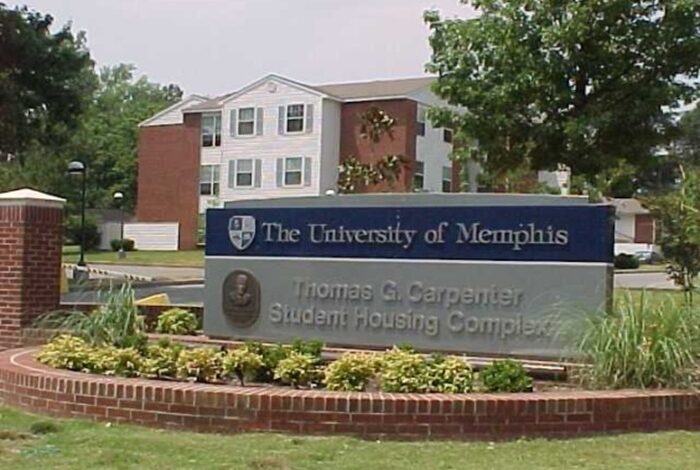
A looming financial crisis that threatened the education of nearly 200 Ghanaian students at the University of Memphis has been temporarily resolved following a USD1 million payment by the government.
The University of Memphis confirmed receipt of the funds, a critical measure that prevented the eviction and possible deportation of the students.
However, the payment only covers part of the USD3.6 million debt owed by the Ghana Scholarship Secretariat (GSS) under a government sponsorship scheme, leaving an outstanding balance of USD2.2 million.
The crisis escalated earlier this month when the university warned that Ghanaian students risked losing scholarships, on-campus accommodation and legal residency if arrears were not cleared by 9 August 2025.
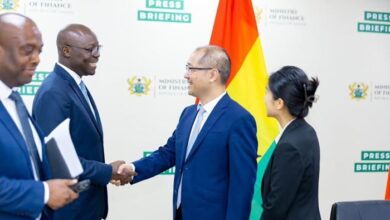
At a press conference in Accra, GSS Registrar Alex Kwaku Asafo-Agyei acknowledged delays but assured the public that students would not be forced out.
“We are now processing a USD1 million payment,” he said, explaining that the funds were being routed through the Controller and Accountant-General’s Department and the Bank of Ghana for transfer.
He added that the delays stemmed from an ongoing audit process.
University of Memphis President Dr Bill Hardgrave earlier attributed the setback to Ghana’s recent political transition.
“I think there was a regime change in Ghana, and that affected the budget, but we’re hopeful that gets corrected because we’d love to keep those students on campus,” he remarked.
The affected students are largely pursuing programmes in science, engineering and business fields critical to Ghana’s development. To cushion them, the University of Memphis has encouraged contributions to its Gary Shorb International Student Support Fund to provide emergency aid while awaiting the full settlement.
This is not the first time Ghanaian government-sponsored students abroad have faced financial distress. Similar challenges with delayed stipends and tuition payments have been reported in the United Kingdom, Russia, China and Eastern Europe.