Cocoa exports fall by 50% in 2024
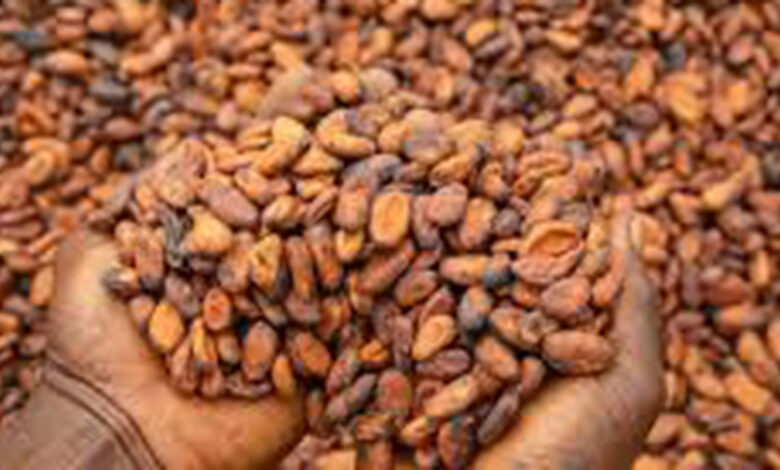
Ghana’s cocoa export volumes fell by more than half in 2024, marking one of the sharpest year-on-year declines in recent history.
This is according to the latest Auditor-General’s report on the foreign exchange receipts and payments of the Bank of Ghana, which details significant shifts in the country’s cocoa sector performance for the year ended December 31, 2024.
The report indicates that Ghana exported 261,248 metric tons of cocoa beans in 2024, compared to 533,057 tons in 2023, a sharp 50.1 percent decrease.
Similarly, exports of processed cocoa products such as butter, paste, and powder dropped from 240,897 tons in 2023 to 192,429 tons in 2024, representing a 20 percent decline.
Paradoxically, despite the drastic fall in volumes, Ghana saw a significant surge in total earnings from cocoa exports. Export receipts from the crop rose by 37.5 percent, from USD1.26 billion in 2023 to USD1.73 billion in 2024. The increase in earnings was largely attributed to favorable international prices and relatively stable demand for value-added cocoa products.
“The strong performance in export earnings, despite declining volumes, was due to price gains in the international cocoa market,” the report noted.
However, the Auditor-General flagged a worrying development: the sharp decline in syndicated loan inflows, which are traditionally secured by Ghana Cocoa Board (COCOBOD) to finance cocoa purchases and operations.
In 2024, Ghana received only USD50 million in syndicated loan proceeds, down drastically from USD681 million in 2023, reflecting a 92.7 percent drop.
More critically, the report clarified that the USD50 million was not sourced from the usual collateralized pre-export financing facility but rather from non-collateralized loan proceeds used solely for debt servicing.
“This situation reflects tighter global financing conditions and challenges in Ghana’s creditworthiness related to the cocoa sector,” the report warned.
Although the Bank of Ghana had initially projected cocoa receipts of USD1 billion for the year, the actual earnings of USD1.73 billion resulted in a positive variance of USD734 million, giving the sector a temporary buffer amid production challenges.
Cocoa accounted for 14.47 percent of Ghana’s total foreign exchange earnings in 2024, which stood at USD11.99 billion, reaffirming its central role in the national economy.
Nonetheless, experts have raised concerns about the sustainability of current earnings if cocoa prices were to decline and output levels remain depressed.
The underlying drop in production points to unresolved structural issues in the sector, including aging farms, illegal mining encroachment, climate change, and limited access to fertilizers and financing for farmers.
The steep fall in syndicated financing also signals potential risks ahead for COCOBOD’s liquidity and its ability to purchase cocoa from farmers in a timely manner, a cornerstone of Ghana’s cocoa marketing model.
With global cocoa prices currently buoying earnings, stakeholders are urging government and sector regulators to focus on revitalizing production, boosting local processing, and improving financial transparency to secure long-term gains.