Sam Jonah champions Ghanaian ownership of gold mines
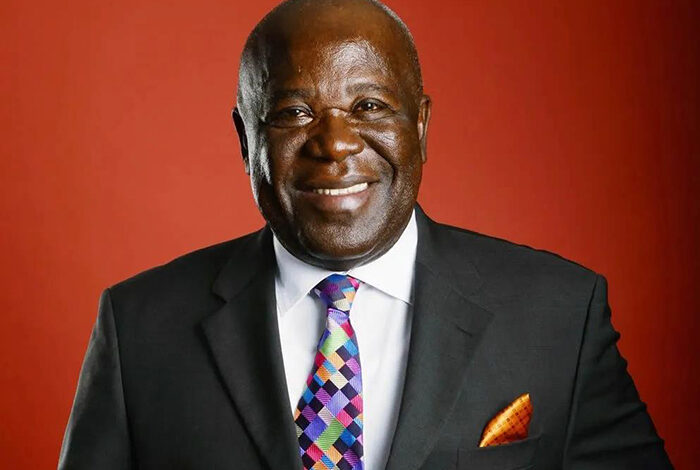
Ghanaian mining statesman and business figure Sir Samuel Esson Jonah has called for a transformative shift in the country’s mining sector, urging the nation to transition from being a supplier of labor and recipient of royalties to becoming an owner and controller of its mineral wealth.
Speaking at a ceremony marking the signing of a USD100 million financing agreement between Engineers & Planners (E&P) and the ECOWAS Bank for Investment and Development (EBID), Sir Sam reiterated his longstanding view that Ghanaians must move to the center of the mining value chain.
“For decades, I have passionately argued, sometimes with frustration, always with conviction, that Ghanaians must be empowered to move from the periphery to the center of the mining value chain. We cannot continue to be mere labor providers or royalty collectors while others control the equity, the strategy, and ultimately, the wealth,” he said.
The funding agreement is expected to support the development of the Black Volta Gold Project, which, when completed, will be Ghana’s first large-scale gold mine fully owned and operated by a local entity. E&P, led by entrepreneur Ibrahim Mahama, is spearheading the initiative, which is projected to produce more than 160,000 ounces of gold annually.
Disconnect Between Wealth and Development
Mr. Jonah’s remarks come at a time when many Ghanaians continue to question the tangible benefits of the country’s mining success. Although Ghana has frequently ranked as Africa’s leading gold producer, most of the financial returns are repatriated abroad by multinational companies. Local communities, particularly in mining regions, often face environmental degradation and inadequate public infrastructure despite the industry’s contribution to national export earnings.
“Despite its immense contribution to exports and foreign exchange, the mining industry has been largely disconnected from the broader economy. There has been little integration, weak linkages, and minimal domestic value creation. This must change,” he said.
Championing Local Ownership
Mr. Jonah described the Black Volta Gold Project as a pivotal moment in the country’s mining history. He said it represents a rare opportunity for Ghana to lead its own extractive destiny by ensuring that value addition, profits, and strategic decision-making are retained within the country.
“When Ghanaians own the mines, when the decisions are made here, and when the value is retained within our borders, the contribution of mining to GDP, job creation, and industrial development will be significantly enhanced,” he noted.
Call for Policy Reform
In addition to celebrating the milestone, Mr. Jonah used the occasion to urge the government to enact policies that enable more Ghanaians to participate meaningfully in the extractive sector. He cited the example of South Africa’s Black Economic Empowerment initiative, which opened the door for local industrialists such as Patrice Motsepe to rise to prominence in mining.
Mr. Jonah stressed that Ghanaian entrepreneurs possess the capability and expertise to thrive in mining but are often hampered by limited access to capital, policy incentives, and the regulatory space to compete effectively.
“Our entrepreneurs are not lacking in talent. What they often lack is access: access to capital, access to opportunity, and access to policy support,” he stated.
Setting a New Standard
Mr. Jonah also cautioned that while the Black Volta project is a significant step, it should serve as a catalyst for broader reform rather than a singular success story. He called for the mining sector to adopt higher standards of environmental responsibility, local participation, and transparent governance.
“Let us also reflect on the responsibilities this moment confers. This must be a project that sets new standards not just for profitability but for environmental stewardship, local content, community engagement, and good governance.”
The signing of the E&P–EBID agreement may signal a turning point in Ghana’s mining narrative. However, for Mr. Jonah, its true success will be measured by how well it inspires systemic change and brings Ghanaians to the forefront of managing and benefiting from the country’s vast mineral resources.