Fuel prices shift as petrol falls, diesel surges to ₵13.25
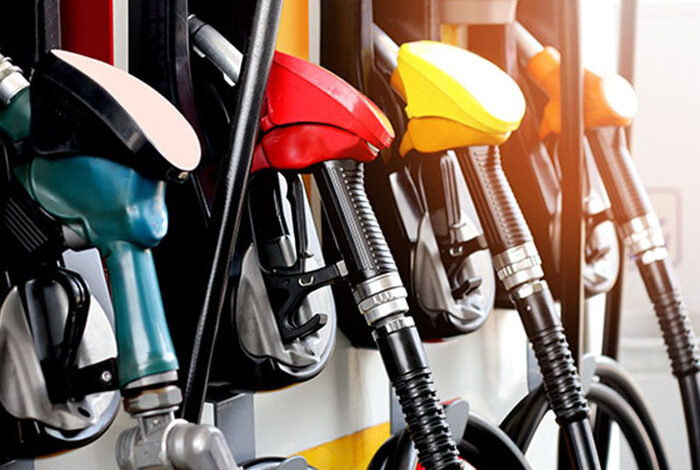
Fuel prices at the pumps are on the move again. Several oil marketing companies across Ghana have begun adjusting prices, ending a steady downward trend that began in February 2025.
While petrol has dropped slightly, diesel prices have spiked, prompting fresh concern from consumer advocacy groups.
Mixed Adjustments Across Retailers
Leading local fuel distributor GOIL now sells petrol at GHS12.07 per liter, down from GHS12.38 as of June 9, 2025. Diesel, on the other hand, has increased to GHS13.20 from GHS12.88.
Shell Ghana, a major international brand, has also raised its prices. Petrol now costs GHS12.08 per liter, up from GHS11.98, while diesel is being sold at GHS13.25 per liter, up from GHS12.85 on June 16, 2025.
At PETROSOL, petrol is priced at GHS11.98, with diesel jumping to GHS13.98 per liter, one of the highest diesel rates currently on the market.
Reversal of the Decline
These increases end a four-month period of consistent price drops, largely credited to falling global crude oil prices, a stronger cedi, and favorable government policy interventions.
The sharp rise in diesel prices now signals renewed volatility in the fuel market and could feed into inflation in the coming months.
Industry Insight
Last week, the Chamber of Oil Marketing Companies projected modest price hikes around 2 percent for petrol and up to 5 percent for diesel. The new figures align closely with that forecast.
However, the Chamber of Petroleum Consumers has rejected the increases, calling them unjustified. It is urging stronger regulatory oversight to protect consumers from what it describes as arbitrary pricing.
Bigger Hikes Expected July 16
Industry watchers warn that fuel prices may rise even further beginning July 16, 2025. That is when the revised Energy Sector Recovery Levy, under the amended Energy Sector Levies Act (Act 1141), takes effect.
The new levy will require oil marketing companies to charge an additional GHS1.00 per liter to help fund energy sector debt repayment and infrastructure. Depending on the product, pump prices could rise by as much as GHS1.93 per liter.
Fuel costs remain one of the biggest drivers of inflation and economic sentiment in Ghana. As a result, these developments are being closely monitored by consumers, businesses, and policymakers alike.
Many are calling on the government to engage stakeholders and roll out measures to cushion Ghanaians from the financial burden.