GRA to tax non-life insurance from July
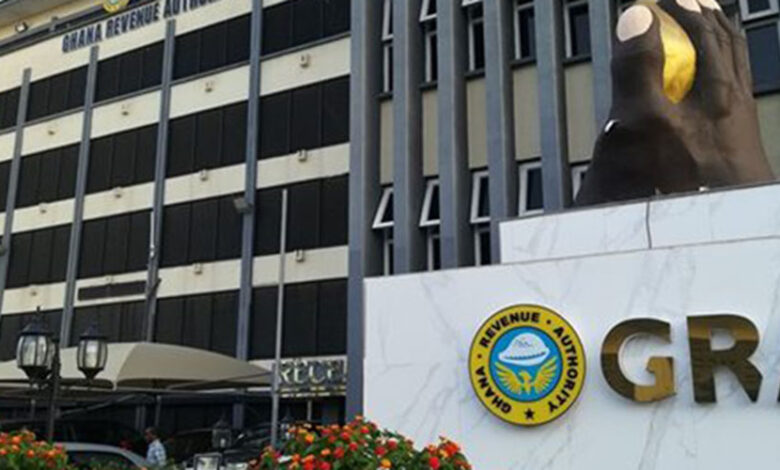
Beginning July 1, 2025, the Ghana Revenue Authority (GRA) will implement a 15 percent Value Added Tax (VAT) on non-life insurance premiums, a move aimed at expanding the country’s tax base and shoring up revenue for public services.
The new tax will apply to various insurance products, including property, health, and travel insurance, but motor insurance policies will remain exempt.
In a brief statement, the GRA said the measure forms part of broader government efforts to “widen the tax net” and improve domestic revenue mobilisation.
However, the decision has sparked concern among industry players and consumer advocates, who warn that the additional tax burden could make insurance less affordable for both individuals and businesses.
Analysts say the imposition of VAT is likely to push up insurance premiums, particularly for health and property insurance, at a time when many Ghanaians are grappling with high inflation and limited disposable income.
“This could lead to reduced uptake of insurance products, especially among low-income earners. People may be forced to scale down or cancel policies, leaving them more vulnerable in times of need,” warned one financial sector analyst.
Small businesses, already struggling with tight margins, could also be hit hard—potentially reducing coverage levels or opting out of critical protections due to rising costs.
While the GRA has not yet released full implementation guidelines, the Authority has clarified that the 15 percent VAT will apply to all eligible non-life insurance policies issued or renewed from July 1.
Some consumer groups are calling on the government to reconsider or delay the policy, arguing that it may hurt financial inclusion and undermine the broader goal of increasing insurance penetration in Ghana.
“This is not the right time to add more financial pressure on households and small businesses. Insurance is essential, not a luxury. We urge the GRA and the Finance Ministry to engage stakeholders and explore alternatives,” a spokesperson for a consumer advocacy group stated.
Ghana’s insurance penetration remains low, estimated at under 2 percent of GDP, far below the global average.
Ghana’s fuel reserves critically low, COMAC chairman warns
By: Rebecca Okine
The Chairman of the Chamber of Oil Marketing Companies (COMAC), Gabriel Kumi, has warned that Ghana’s fuel storage capacity is woefully inadequate and insufficient to maintain a six-month strategic reserve.
The COMAC Chairman revealed that Ghana currently has about one million cubic meters of fuel storage capacity, which covers only two months of fuel needs, far below what is required for long-term energy security.
“It’s just about one million cubic meters. That represents only two months of our needs and is far from what’s required for long-term energy security,” Mr. Kumi said.
He explained that of the total national reserve, the Bulk Oil Storage and Transportation Company (BOST) alone accounts for about 400,000 cubic meters, roughly four million liters of fuel.
The remaining capacity is distributed among other private and public facilities, most of which are not equipped to serve long-term national emergency needs.
“That’s just a fraction of what is needed if the country wants to maintain supply in times of crisis or global supply chain disruptions,” he stated.
According to Mr. Kumi, this limited capacity places the country at risk, especially in the event of geopolitical tensions, natural disasters, or supply shocks that may disrupt global fuel imports.
Mr. Kumi noted that while expanding Ghana’s strategic fuel reserves to cover six months is essential to national preparedness, achieving that goal will require deliberate long-term investment and a coordinated national policy framework.
This would include identifying new storage sites, expanding current facilities, and possibly partnering with private sector players for infrastructure development.
“To increase our strategic reserve to six months will likely be a long-term goal, assuming that is something we really want to consider now,” he stressed.
The COMAC Chairman urged stakeholders, including government, regulators, and the private sector, to begin a national conversation on improving fuel storage infrastructure.
He also emphasized the importance of energy resilience in the face of growing global uncertainties and market volatility.
COMAC proposes $3bn fuel reserve plan to shield nation from oil shocks
By Praisebell Rosemond Larbi
The Board Chairman of the Chamber of Oil Marketing Companies (COMAC), Gabriel Kumi, has revealed that Ghana would require approximately USD3 billion to secure a six-month national fuel reserve capable of insulating the country against global supply shocks.
Speaking at the Business Economic Forum held yesterday, June 25, 2025, Mr. Kumi underscored the urgency of building strategic fuel reserves amid rising geopolitical tensions, particularly the ongoing Iran-Israel conflict, which has triggered volatility in global oil markets and raised fresh concerns about energy security.
“Assuming we have the storage capacities, we need some USD3 billion to buy six months of fuel reserves,” he said.
Mr. Kumi stressed that establishing such a buffer would help stabilize Ghana’s domestic fuel market, protect consumers from abrupt price hikes, and reduce the economy’s vulnerability to international supply chain disruptions.
While the idea of creating national fuel stockpiles has been discussed in the past, Mr. Kumi pointed out that limited investment and infrastructure constraints have prevented any meaningful progress.
The Board Chairman of COMAC emphasized that achieving this vision would demand a coordinated effort, involving government policy, private sector capital, and robust infrastructure development.
He also highlighted the importance of expanding fuel storage facilities nationwide, which would be critical to the effective management of reserves and ensure equitable distribution during crises.
Ghana, like many fuel-importing countries, remains highly susceptible to external shocks in the global oil market. With domestic fuel prices largely tied to international benchmarks, any disruption, be it conflict, natural disasters, or trade bottlenecks, can have immediate ripple effects on transport costs, inflation, and overall economic stability.
The Business Economic Forum convened policymakers, industry leaders, and economists to discuss Ghana’s economic outlook, with a focus on key sectors such as energy, trade, and manufacturing.
The event served as a platform to explore sustainable solutions for building economic resilience in uncertain global times.