Fitch upgrade signals Ghana’s economic revival — Economist
By Rebecca Okine
A Development economist Dr. Felix Larry Essilfie has praised the recent upgrade of Ghana’s sovereign credit rating by Fitch Ratings, saying it reflects the country’s significant progress in economic recovery and fiscal discipline.
His remarks follow Fitch’s decision to raise Ghana’s Long-Term Foreign-Currency Issuer Default Rating from “Restricted Default” to “B-” with a Stable Outlook.
Fitch’s announcement on Monday, June 16, 2025, marks a major milestone in Ghana’s post-default journey, following the country’s 2022 sovereign debt default.
The agency attributed the upgrade to improved debt sustainability, declining inflation, exchange rate stability, and stronger foreign reserves—indicators of enhanced macroeconomic management.
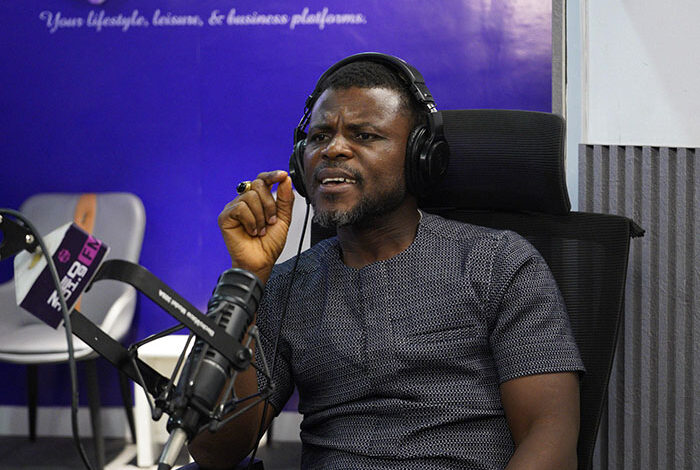
Speaking on Zed FM’s current affairs show The Focus, Dr. Essilfie explained that the rating is influenced by several key metrics, including GDP growth, debt-to-GDP ratio, fiscal performance, and external indicators.
“If you look at the economic outlook of Ghana right now, you can see that within the past five months, we have chalked a growth rate of 5.3 percent, which is a very good outlook,” he said.
The development economist noted that Ghana’s GDP per capita currently stands at over USD2,000—an improvement, although not a final destination.
“Considering where we were and how far we’ve come, it shows we’re making progress,” he emphasized.
Dr. Essilfie also highlighted improvements in Ghana’s debt profile.
“Our external debt-to-GDP ratio now stands at 31.6 percent, with domestic debt at about 23.4 percent, bringing the total to roughly 55 percent. This is a notable reduction from the 80–90 percent range recorded prior to 2024,” he said.
The development economist stressed that this nearly 40 percent drop in the debt burden is a key signal of recovery.
He attributed much of the progress to the government’s strict fiscal measures.
“The government’s strategy of expenditure-based fiscal consolidation, enhanced tax compliance through digitization, and improved public financial management has significantly improved our economic standing,” he noted.
Fitch also considered Ghana’s external indicators, including improvements in the current account balance and the country’s foreign exchange regime.
“From January through May, the cedi has appreciated by 22.5 percent against the dollar and around 16 percent against the pound and euro,” Dr. Essilfie noted.
According to Bank of Ghana data, the cedi has seen an overall average appreciation of about 50 percent against major trading currencies.
Other factors contributing to the upgrade include an improved trade balance, increased tourism earnings, and higher investor confidence due to political stability.
“This rating reflects confidence in Ghana’s policy direction. It’s not just about numbers; it’s about the discipline and structure the current administration is applying,” Dr. Essilfie added.
The development economist believes the upgrade could enhance Ghana’s access to capital markets and bolster investor sentiment as the country continues its economic recovery.