High contract rollovers deepen crisis in cocoa sector
By Rebecca Okine
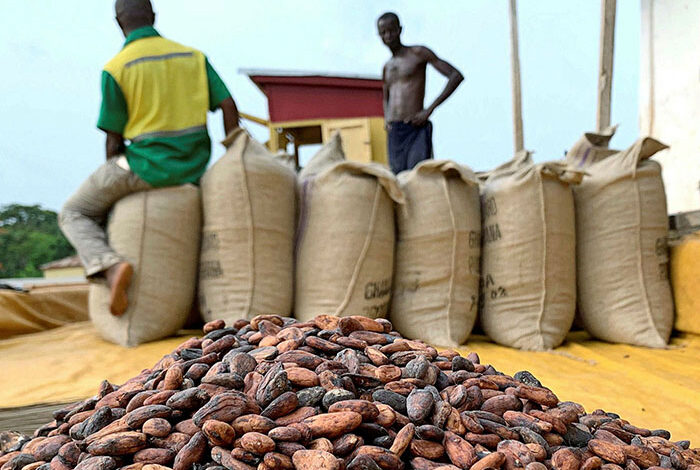
Ghana’s cocoa industry, once a pillar of national pride and foreign exchange earnings, is facing a deepening crisis.
Despite cocoa prices soaring to historic highs on the global market, the world’s second-largest exporter continues to miss production targets, with severe financial, economic, and reputational implications.
According to research, Ghana is poised to fall short of its 2024/2025 cocoa production target of 610,000 metric tons by nearly 4percent, with just a few months left in the crop season.
This marks the third consecutive year of underperformance, pushing Ghana even further from its last major achievement — over one million tons produced in the 2020/2021 season.
A shrinking output
The nation’s cocoa output has declined by nearly 50 percent over the past three years. In the 2023/2024 season alone, the Ghana Cocoa Board (COCOBOD) failed to fulfill 330,000 tons of committed contracts, forcing the rollover of these deals into future crop years. This is disclosed in the government’s 2025 budget, highlighting the gravity of the crisis.
Several factors are driving this steep decline:
- Illegal mining (galamsey) has destroyed large swathes of cocoa farms and polluted water sources, especially in the Western and Ashanti regions.
- Climate change and erratic weather patterns — including prolonged droughts and unpredictable rainfall — have disrupted the crop cycle.
- Smuggling of over 100,000 tons of cocoa beans into neighboring countries like Côte d’Ivoire and Togo in 2024 alone has further crippled official exports.
These challenges have resulted in a loss of confidence from international lenders and cocoa buyers, who now classify Ghana as high risk, demanding steeper premiums for pre-export financing — the traditional cash lifeline for the sector.
Locked in at a loss
Perhaps the most devastating financial blow is the result of forward contracts signed at outdated prices. COCOBOD had committed large volumes of cocoa at prices far lower than current global rates. This has resulted in a staggering USD840 million in lost revenue for both the institution and cocoa farmers.
The financial bleeding continues. The rollover contracts are expected to cost Ghana an additional USD495 million. With the world price of cocoa currently above USD10,000 per ton, analysts estimate Ghana could be losing as much as USD4,000 per ton on deliveries made under these deferred contracts.
Mounting debt and operational paralysis
COCOBOD’s current debt burden stands at over USD3 billion, with USD942 million falling due by September 2025. The institution’s credibility is now severely compromised, with years of operational losses eroding its advantage on the global cocoa stage.
Despite the dismal production performance, cocoa-related inflows surged in the first four months of 2025, reaching USD1.84 billion, compared to USD579 million in the same period in 2024. This temporary rebound, however, is not the result of increased production but a windfall from global price hikes and a strategic move away from over-reliance on forward sales.
According to the Bank of Ghana, this inflow surge offers a brief fiscal cushion but is far from a sustainable solution.
A global supply crisis looms
The implications of Ghana’s cocoa crisis go beyond national borders. With demand from major chocolate manufacturers holding steady, global supply chains are under increasing strain. As Ghana’s output falters and Côte d’Ivoire also faces its own production challenges, analysts warn of a potential supply shock that could destabilize global markets.
The structural issues from smuggling and illegal mining to climate threats and poor contract management, remain unresolved. In addition, while prices are currently favorable, the sustainability of Ghana’s cocoa sector hangs in the balance.
Unless comprehensive reforms are implemented, including enhanced farmer support, tighter border controls, climate adaptation strategies, and renegotiation of contract terms, the sector risks further collapse.