Rare earth truce: U.S., China revive stalled trade talks
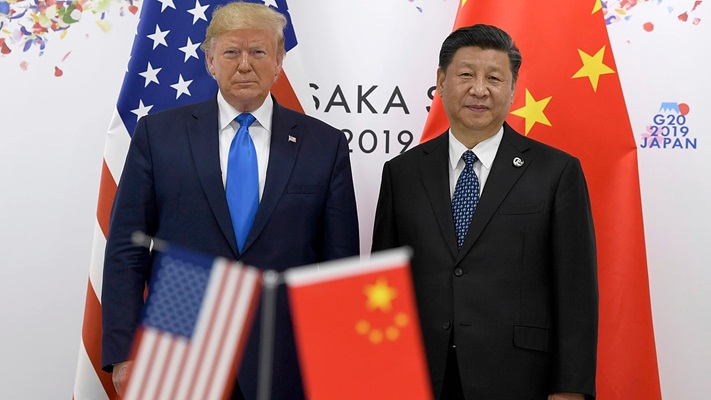
The United States and China have agreed on a new framework to revive their stalled trade truce, paving the way for the removal of critical export restrictions, particularly on rare earth minerals. However, officials signaled that deep-rooted trade tensions remain unresolved.
After two days of negotiations in London, U.S. Commerce Secretary Howard Lutnick said the deal “puts meat on the bones” of a preliminary consensus reached in Geneva last month, which had been under threat following China’s export curbs on critical minerals and the U.S.’s retaliatory tech export controls.
“The agreement implements the Geneva consensus and the directives from the recent call between President Trump and President Xi,” Lutnick said, noting that the framework will now be reviewed by both leaders for final approval.
China’s Vice Commerce Minister Li Chenggang confirmed a similar understanding, stating the two countries had reached an agreement in principle aimed at stabilizing trade relations ahead of a looming August 10 deadline.
At the core of the new framework is a resolution to China’s restrictions on the export of rare earth magnets and minerals—components essential to a range of technologies from electric vehicles to defense systems. In return, the U.S. is expected to lift some of its export restrictions on semiconductor tools, chemicals, and aviation equipment.
The agreement marks a critical turning point, especially as China holds a near-monopoly on the global supply of rare earth elements. Its suspension of exports in April disrupted global manufacturing and prompted swift retaliatory measures from Washington.
Lutnick said the U.S. restrictions, imposed when rare earth flows ceased, would be removed “in a balanced way,” pending leadership approval.
The news offered modest relief to global markets, with MSCI’s Asia-Pacific index (excluding Japan) rising percent. Analysts said the lack of detailed implementation plans kept investor sentiment subdued.
“The devil will be in the details. As long as the talks remain constructive, risk assets should remain supported,” Chris Weston of Pepperstone added.
The World Bank on Tuesday downgraded its global growth outlook for 2025 to 2.3 percent, warning that ongoing tariff threats posed a major economic headwind.
The latest talks were sparked by a phone call between President Trump and President Xi on June 5, credited with breathing new life into the Geneva truce. However, both sides left that summit with differing interpretations of the deal’s obligations. Without further progress, tariff rates will revert by August 10, escalating from 30 percent to 145 percent on the U.S. side and from 10 percent to 125 percent on the Chinese side—levels that previously disrupted global trade and investor confidence.