May inflation falls to 18.4%
…lowest since early 2022
By: Rebecca Okine
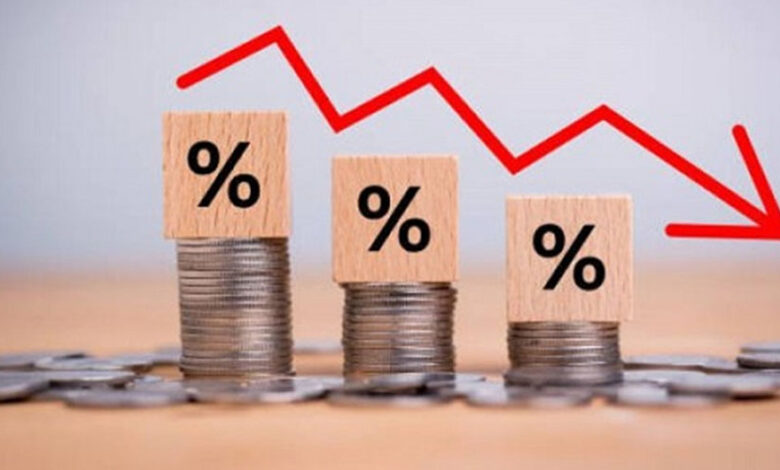
Ghana’s inflation rate continued its downward trajectory in May 2025, falling to 18.4 per cent, the lowest level recorded since February 2022, when inflation stood at 15.7 per cent.
The latest data from the Ghana Statistical Service (GSS) shows a notable slowdown from April’s figure of 21.2 per cent, marking the fifth consecutive month of disinflation.
Addressing journalists at a press briefing in Accra, Government Statistician Dr. Alhassan Iddrisu attributed the significant decline to falling transport fares, driven by reductions in fuel prices, as well as easing pressures in non-food inflation categories.
“The reduction in fuel prices at the pumps, and the subsequent reduction in transport fares, contributed the most to the May inflation,” Dr. Iddrisu said.
According to the GSS, non-food inflation declined sharply, providing relief across various sectors including transport, housing, and clothing. The softening trend is being supported by a combination of tighter monetary and fiscal policies, exchange rate stability, and improved global pricing conditions.
“The recent appreciation of the Cedi against major international currencies, along with favourable external price dynamics, is helping to anchor inflation expectations,” Dr. Iddrisu added.
The Producer Price Inflation (PPI), which tracks the average change in prices received by domestic producers for their output, also showed a sharp decline, slowing to 18.5 per cent in April from 24.4 per cent in March. This points to easing price pressures at the factory gate, offering some relief to businesses and consumers alike.
Despite the positive outlook, headline inflation remains well above the Bank of Ghana’s medium-term target of 8 per cent, within a tolerance band of plus or minus 2 percentage points. In response, the central bank has maintained a cautious stance in its monetary policy, aiming to firmly anchor inflation expectations while supporting economic stability.