

Ghana records 26 new Mpox cases, total reaches 45
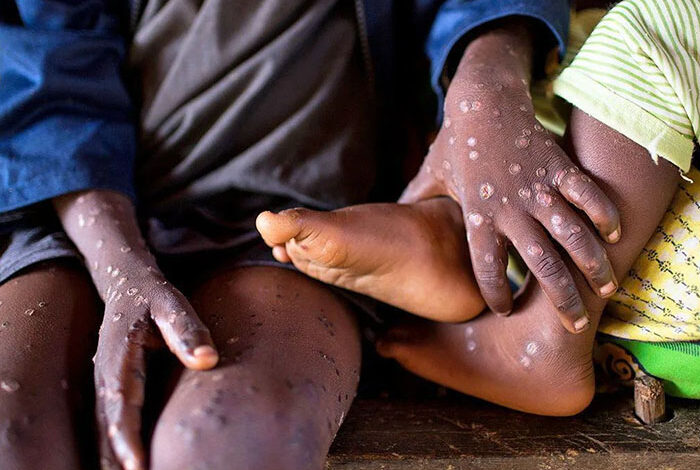
Ghana has confirmed 26 new cases of Mpox, bringing the total number of infections to 45 across nine regions, the Ghana Health Service (GHS) announced. The recent cases were detected between late April and early May 2025, indicating a sharp increase in the spread of the viral disease formerly known as Monkeypox.
Director-General of GHS, Prof. Samuel Kaba Akoyirea, said the cases were confirmed through laboratory tests conducted at the Noguchi Memorial Institute for Medical Research and the Kumasi Centre for Collaborative Research. Most of the new infections involve males aged 15 to 49.
The confirmed cases span the Greater Accra, Ashanti, Bono East, Eastern, Western, Upper West, Central, Volta, and Oti regions. “This brings the cumulative number of confirmed Mpox cases in Ghana to 45. While there have been no reported deaths, the situation calls for heightened vigilance from the public and health workers,” Prof. Akoyirea said.
Mpox is a viral infection that produces symptoms similar to smallpox but is generally less severe. It spreads mainly through close contact with infected individuals or contaminated items such as clothing and bedding. Early symptoms include fever, headache, swollen lymph nodes, and muscle aches, followed by a distinctive skin rash.
The Ministry of Health and GHS have activated regional emergency teams to intensify surveillance, conduct contact tracing, and support case management in affected areas. Confirmed cases are being isolated, and additional resources have been deployed to bolster health system readiness.
“We are working around the clock to contain the spread and urge the public to report symptoms promptly and avoid close contact with anyone showing signs of infection,” Prof. Akoyirea added. He stressed the importance of good personal hygiene, avoiding contact with infected persons, and seeking immediate medical attention if symptoms appear.
The government is exploring vaccine procurement for frontline health workers and high-risk groups in partnership with international organizations such as the World Health Organization (WHO). While no vaccination campaign has yet begun, discussions are ongoing. Meanwhile, GHS encourages Ghanaians to stay calm and follow public health guidelines. Officials believe that with proper awareness and cooperation, the outbreak can be controlled. The GHS urges anyone experiencing Mpox-like symptoms to call the national health emergency hotline or visit the nearest health facility.



