Ghana’s Path to Structural Transformation is Export Drive – Goosie Tanoh
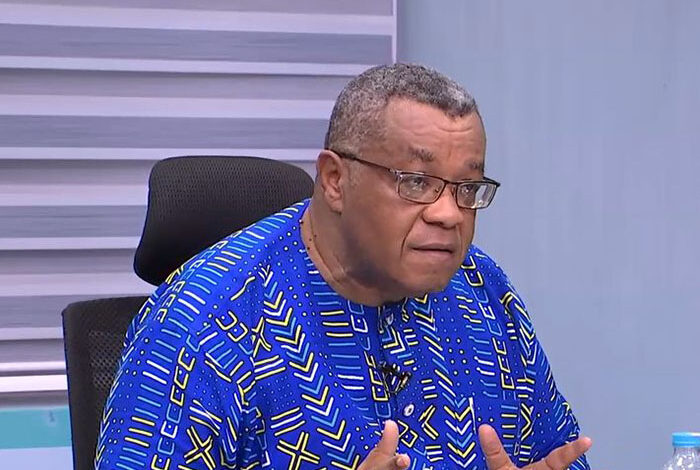
By Praisebell Rosemond Larbi
Presidential Advisor on the 24-Hour Economy, Mr. Goosie Tanoh, has outlined the government’s ambitious plan to transform Ghana’s economic structure through the implementation of the 24-Hour Economy and the Accelerated Export Development Programme. According to him, these initiatives are not just policies, but strategic frameworks designed to build a resilient, self-reliant, and globally competitive Ghana.
Mr. Tanoh made the remarks at the official launch of the Accelerated Export Development Council in Accra, an event chaired by President John Dramani Mahama. The council is expected to provide strategic guidance and oversight for the roll-out of export-led economic reforms under the Mahama administration.
“The 24-Hour Economy and the Accelerated Export Development Programme together represent Ghana’s coordinated strategy for structural transformation,” Mr. Tanoh stated. “This is not business as usual. We are entering a new phase that demands discipline, innovation, and a bold departure from our traditional economic model.”
He explained that the two programs will be rolled out in phases, each aligned with macroeconomic stabilization efforts and a radical improvement in governance and institutional accountability. He emphasized that a stable and well-managed macroeconomic environment is key to ensuring the success of the strategy.
“Prudent macroeconomic management is not optional—it is foundational. We must keep inflation under control, stabilize the currency, and ensure public spending is efficient and transparent,” Mr. Tanoh said.
He added that the 24-Hour Economy initiative, which aims to stimulate round-the-clock productivity across sectors such as manufacturing, logistics, agribusiness, health, and digital services, is geared towards boosting job creation, enhancing output, and attracting both domestic and foreign investment.
The Accelerated Export Development Programme, on the other hand, focuses on expanding Ghana’s non-traditional exports, improving value addition, and diversifying markets. Mr. Tanoh stressed that Ghana must move beyond exporting raw materials to become a competitive player in global trade.
“We envision an economy that creates jobs through industrial-scale production, supports entrepreneurs, and earns foreign exchange through high-value exports. That’s the transformation we are working toward,” he said.
Mr. Tanoh also highlighted governance reform as a key pillar of the strategy, stating that improved transparency, digitization of public services, and accountability will create the enabling environment needed for the private sector to thrive.
“This is a whole-of-society transformation. We are not just tweaking policies—we are resetting the foundations of our economy and how it is governed,” he noted. President Mahama, who chaired the launch, reaffirmed his government’s commitment to inclusive and sustainable economic growth. He said the Council will work closely with stakeholders in both the public and private sectors to ensure Ghana’s export strategy aligns with national development priorities.