Banking on Trust: Why Ghana’s Financial Sector Needs More Than Regulation
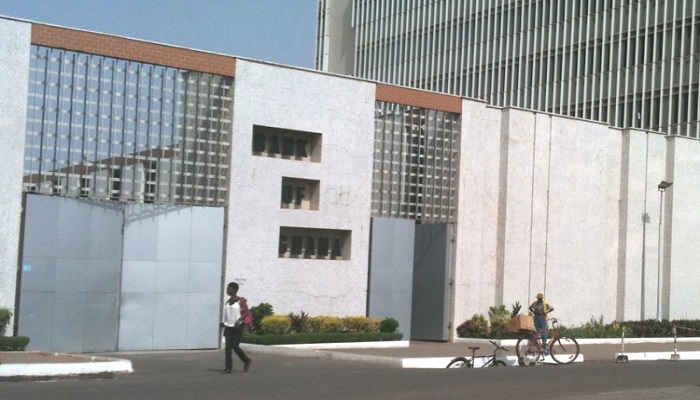
In the aftermath of Ghana’s financial sector clean up, many still walk into bank halls with a quiet unease. The tall glass walls, automated tellers, and fresh branding may paint a picture of renewal, but beneath it lies a fragile relationship between banks and the very people they serve. Trust, once broken, is not easily repaired with laws and liquidity injections alone.
Between 2017 and 2019, the Bank of Ghana revoked the licenses of over 400 financial institutions ranging from commercial banks and microfinance companies to savings and loans outfits. The clean up was a necessary intervention to address years of poor governance, weak risk controls, and in some cases, outright fraud. But while the exercise may have saved the system from collapse, it also swept away the savings, investments, and confidence of ordinary Ghanaians.
The scars remain. Many still remember the panic of locked up funds, the endless queues for claims at the Receiver’s office, and the life plans derailed by inaccessible capital. For affected customers, especially in rural and informal communities, the financial sector now feels like a gated estate, well guarded, well kept, but not welcoming.
This is why, moving forward, Ghana’s financial recovery cannot rely on regulation alone. There must be a parallel investment in rebuilding public trust through transparency, accessibility, and customer centered reforms.
Trust is the foundation of any financial system. Economist Kenneth Arrow once wrote, “Virtually every commercial transaction has within itself an element of trust” without it, even the most well capitalized banks can struggle to mobilize savings, deepen financial inclusion, or facilitate meaningful credit expansion.
The government, regulators, and financial institutions must therefore ask hard questions:
What does safety mean to the average Ghanaian depositor today?
What mechanisms are in place to ensure people are not just protected but feel protected?
A starting point is education. Financial literacy must move beyond urban seminars and social media flyers. In a country where over 70% of economic activity happens in the informal sector, there is a need for targeted, vernacular based financial education programs. People must understand not just the benefits of banking, but also how to evaluate risk, read financial products, and assert their rights.
Secondly, access must go beyond physical infrastructure. We need a financial system that meets people where they are not just geographically, but economically. That means simplified onboarding processes, reduced charges, and a wider embrace of fintech solutions that allow micro-entrepreneurs, farmers, and traders to save, invest, and transact with confidence.
Finally, regulators must maintain vigilance and also embrace communication. The Bank of Ghana’s recent decision to regularly publish licensed institutions is a good start. But more proactive updates, plain language advisories, and direct community engagement are essential. Ghanaians must feel that the regulator is not a distant enforcer, but a partner in their financial journey.
The clean-up may have stabilized the system, but sustainability will come only when trust is restored. Ghana needs a financial sector that not only complies with international standards, but also resonates with local realities. One that is not just strong but inclusive, responsive, and above all, trustworthy. Because in finance as in life, confidence is currency.