Time to Rethink Transport: Building a Safe, Efficient, and Inclusive System for Ghana
Transport is the lifeblood of every economy, in Ghana it is the engine that moves people, goods, and services across towns, regions, and borders. Yet, this vital sector remains one of the most troubled. From congested city roads to crumbling rural networks, from unreliable public transport systems to road safety crises, Ghana’s transport system is crying out for comprehensive reform. If we are to make meaningful progress as a nation, we must stop treating transport as an afterthought and begin to prioritize it as a critical pillar of national development.
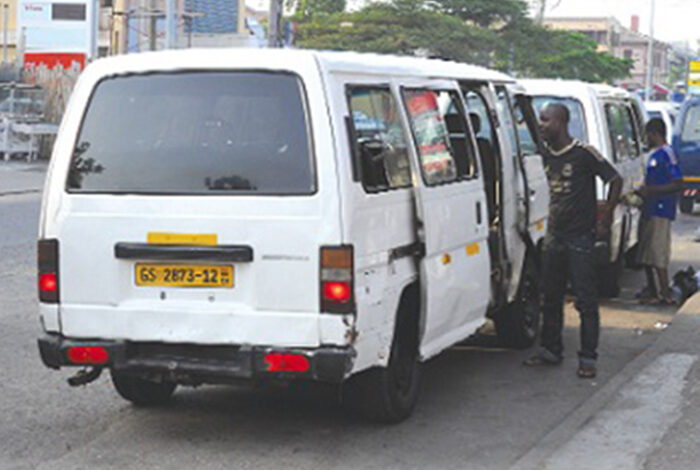
Everyday commuters in Accra, Kumasi, Takoradi, and other urban centers are all too familiar with the time wasting, stress inducing congestion that clogs our roads. The number of private vehicles on the road continues to grow rapidly, yet the infrastructure has barely kept pace. Public transport, which should be the viable alternative, is anything but dependable. The “trotros” are a necessity for many, but they operate in an unregulated space, without formal timetables, proper safety checks or consistent standards of service. This lack of structure leaves commuters vulnerable to exploitation, inefficiency, and risk. Meanwhile, state backed transport options like Metro Mass Transit and STC struggle to stay afloat due to chronic underfunding, poor fleet maintenance, and management lapses.
In rural Ghana, the situation is even more disheartening. Roads connecting farming communities to markets are often in deplorable condition. During the rainy season, many of these areas become inaccessible, cutting off livelihoods and limiting access to basic services like healthcare and education. This deepens inequality and widens the urban-rural development gap.
Perhaps the most tragic symptom of our broken transport system is the alarming rate of road accidents. According to the National Road Safety Authority, thousands of lives are lost annually due to reckless driving, poorly maintained vehicles, and inadequate road infrastructure. Ghana cannot continue to accept this level of carnage as normal. Beyond enforcement, a shift in public education, driver licensing, and vehicle inspection regimes is needed. Road safety must be viewed as a public health and human rights issue not merely a transport concern.
The path forward must be bold, inclusive, and strategic. First, we need a comprehensive national transport master plan that integrates roads, railways, air, and water transport into a cohesive, long term vision. Urban transport systems must be modernized with an emphasis on mass transit solutions. Reviving and expanding the Bus Rapid Transit (BRT) system, introducing electric buses, and digitizing public transport operations are not just innovations but rather a necessity.
Second, we must decentralize infrastructure planning and investment, allowing local authorities to manage and maintain their transport networks with community input and oversight. This will ensure that rural areas are no longer neglected and that resources are allocated equitably.
Third, the railway sector must be revitalized to reduce pressure on our roads. A functioning rail network can offer a cheaper and safer mode for transporting both people and goods. Additionally, investing in water transport on our lakes and rivers could serve as an alternative for remote communities.
Fourth, partnerships with the private sector should be deepened to bring in innovation, efficiency, and capital. Ride hailing platforms have already transformed urban mobility, but more collaboration is needed to scale sustainable solutions.
Lastly, any modern transport agenda must center the needs of all users including persons with disabilities, the elderly, school children, and women. Pedestrian walkways, cycling lanes, and road crossing facilities must be standard features of every new project. Transport is not just about movement, it is about dignity, safety, and access.
Ghana stands at a crossroad. We can either continue on the current path of piecemeal fixes and outdated systems or we can take bold steps toward building a 21ST century transport ecosystem, one that is safe, efficient, inclusive, and sustainable. The latter demands political will, public investment, and civic participation. As Nelson Mandela once said, “It is in the character of growth that we should learn from painful experiences and move forward stronger.” Ghana’s transport sector has long suffered from neglect and inefficiencies but these challenges offer us a clear lesson and a powerful incentive to act. We must turn past missteps into motivation for bold reform. By building a transport system that is safe, inclusive, and forward looking, we can pave the way for a stronger, more connected, and more prosperous Ghana.