Cleaning Up Ghana: Tackling the Sanitation Crisis Before the Rains Come
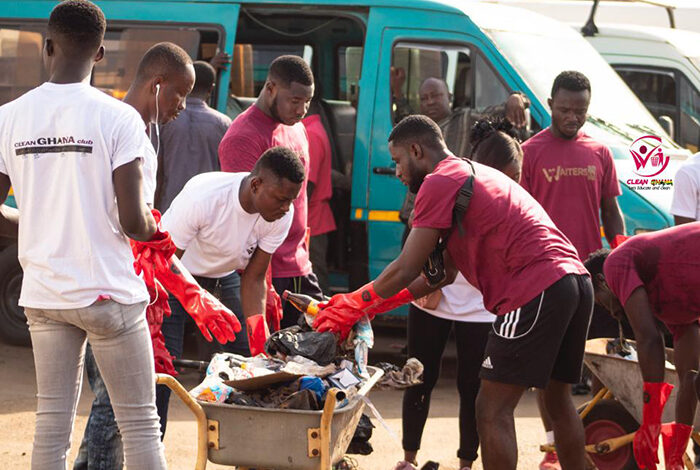
As the rainy season approaches, Ghana’s urban centers are once again at risk of severe flooding, disease outbreaks, and environmental degradation are all due to poor sanitation and weak drainage systems. Every year, Accra, Kumasi, and other major cities are left struggling under the weight of indiscriminate waste disposal, choked gutters, and poorly planned business activities that contribute to an unsanitary and hazardous environment.
The signs of impending disaster are already evident. Markets are overflowing with filth, open drains have become dumping grounds for plastics and refuse, and floodwaters often carry raw sewage into homes and businesses. How long will we continue to live like this? And when will authorities take decisive action to fix this national embarrassment?
Sanitation in Ghana has remained a stubborn challenge for decades. Despite numerous campaigns and policies, the reality is that our urban centers are still drowning in filth. According to the Ghana Statistical Service, over 70% of solid waste generated in major cities is either poorly managed or left uncollected, ending up in open spaces and gutters. One major problem is the lack of proper waste disposal culture. It is common to see people throw rubbish into drains or onto the streets, often blaming poor waste collection services. However, the bigger issue is enforcement. There are laws against littering, yet they are rarely enforced. What is the point of policies if people are not held accountable for breaking them?
Another concern is the poor drainage system in most cities. Many of the drains are either too narrow, unmaintained, or completely blocked by waste, leading to severe flooding whenever it rains. In Accra, for example, flood related disasters have become an annual occurrence, causing loss of lives and destruction of properties.
Poor sanitation is more than just an inconvenience, it has devastating economic and health consequences. Every year, millions of cedis are lost due to flood damage, while businesses in urban centers suffer from the effects of dirty and waterlogged streets. Tourists visiting Ghana’s cities often express shock at the level of filth, hurting our reputation as a leading West African destination. Even more alarming is the health risk. Cholera, malaria, and typhoid cases surge during the rainy season due to contaminated water sources and mosquito breeding in stagnant water. In 2014, Ghana experienced a deadly cholera outbreak that affected over 28,000 people, yet little has been done to prevent a recurrence.
Ghana cannot afford to enter another rainy season unprepared. Authorities must take immediate action to improve waste collection, desilt major drains, and strictly enforce sanitation by-laws. It is not enough to organize cleanup exercises when disaster strikes. We need a sustained effort that includes strict penalties for littering and illegal dumping, investment in waste management infrastructure, and community-led sanitation campaigns where markets, businesses, and residential areas take responsibility for keeping their surroundings clean. The drainage system must also be revamped immediately, with the desilting of major drains and the construction of better flood control systems to prevent further destruction. Sanitation is not just a government responsibility, it is a shared duty of every Ghanaian. However, without strict enforcement and long term planning, we will remain trapped in this cycle of filth, floods, and disease outbreaks. The rains will come, and so will the floods unless we act now. Ghana deserves better, and it is time for authorities to rise above mere rhetoric and take bold action to fix our sanitation crisis once and for all. The health, safety, and dignity of the people depend on it.