Revoking Mining Licenses: A Step Towards Reform or a Missed Opportunity?
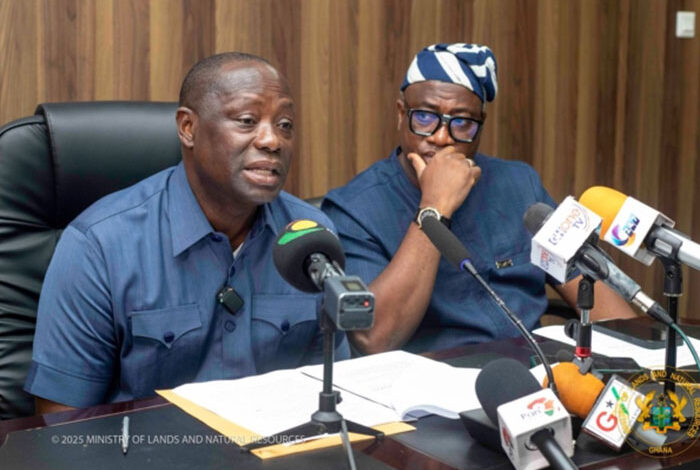
The recent decision by the Minister for Lands and Natural Resources, Emmanuel Armah-Kofi Buah, to revoke all small scale mining licenses issued after December 7, 2024, has sparked a crucial conversation about Ghana’s fight against illegal mining. While this move may seem drastic, it showcases a long standing issue. The reckless issuance of mining permits without due process, which has fueled environmental destruction, water pollution, and the degradation of farmlands.
For years, Ghana’s struggle against illegal mining commonly known as ‘galamsey’ has been met with resistance from powerful interests. Despite various government interventions, including military crackdowns and community sensitization, the problem persists. The Minister’s decision to nullify licenses granted during this period of irregularities sends a strong signal that the government is taking a firmer stance. But will this be enough?
One of the key challenges in small scale mining is the lack of proper oversight. Many permits have been issued without rigorous environmental impact assessments, leading to disastrous consequences for river bodies and forest reserves. The involvement of regulatory bodies such as the Environmental Protection Agency (EPA), the Forestry Commission, and the Water Resources Commission in reviewing mining licenses is a step in the right direction. However, regulation must go beyond cancellations, it must include accountability. Who issued these flawed permits? Who benefited? And what safeguards are being put in place to prevent this from happening again?
A particularly commendable aspect of the Minister’s strategy is the introduction of a structured training program for small scale miners. Mining is not just about digging for gold, it requires expertise in environmental conservation, safety protocols, and sustainable practices. Ensuring that license holders undergo proper training before being allowed to operate will help to professionalize the sector and reduce reckless mining practices.
However, the government must be cautious in its approach. While revoking licenses may weed out fraudulent activities, it also risks disrupting livelihoods. Small scale mining provides employment for thousands of Ghanaians, and without alternative economic opportunities, affected miners could be driven deeper into illegal operations. The state must therefore provide clear pathways for genuine miners to reapply for licenses under stricter, more transparent conditions.
Furthermore, this decision should not be politicized. Mining regulations should not be subjected to political cycles, where a change in government leads to abrupt reversals of policies. A long term bipartisan approach is needed, one that prioritizes Ghana’s environmental and economic interests over short term political gains. The revocation of mining licenses is a bold step, but it must be followed by consistent enforcement, transparency in re licensing, and sustainable mining policies. Ghana’s natural resources belong to all its citizens, and the government has a duty to ensure that they are exploited responsibly. The nation cannot afford to let history repeat itself, this time, the fight against illegal mining must be won.