Enhance Digital Security Measures
By Praisebel Larbi
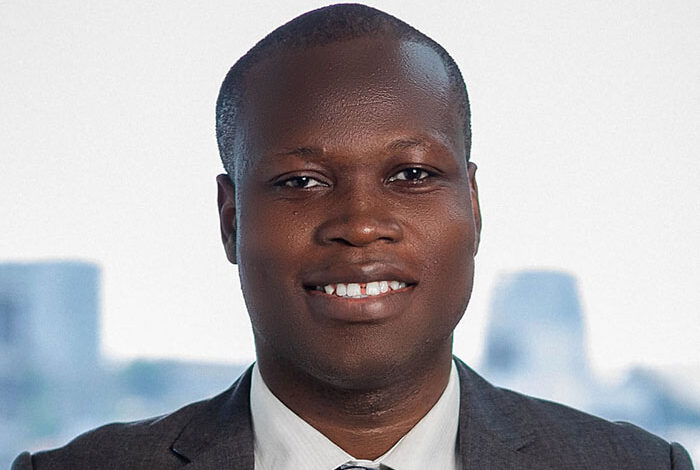
The Director of Information Security and Data Protection at the Institute of ICT Professionals Ghana and cyber security expert at Deloitte Ghana, Alhaji Sheriff Issah, has issued a strong call for individuals to enhance their digital security measures when setting up social media and related accounts.
This follows the reported hacking of President John Mahama’s official X account by unknown individuals which was used in promoting a fraudulent cryptocurrency scheme, raising concerns about the security of high-accounts and the broader risk of cyber threats.
In an interview on 101.9 ZED FM, Alhaji Issah advised all social media users to activate two-factor authentication (2FA) as a critical security measure to prevent unauthorized access. He explained that even if an attacker gains access to a user’s login credentials, whether through hacking or leaks, having two-factor authentication enabled adds an extra layer of protection, preventing cyber criminals from successfully accessing the account.
“When you use the two-step authentication, it saves your account in case your username or password is compromised. This security feature acts as a second lock, making it much harder for hackers to take control of your account,” he stated.
Beyond social media security, the cyber security expert also emphasized the importance of securing personal devices, such as smartphones, tablets, and laptops, to prevent unauthorized access to stored login credentials.
“We also need to safeguard the devices we use, whether it is a smartphone or a laptop. If those devices are compromised, then anyone who gains access to them can easily get into your social media accounts. Some people save their social media passwords directly on their devices, making them vulnerable to hackers,” he warned.
To mitigate these risks, Alhaji Issah advised users to regularly update their devices and software, as outdated operating systems and applications often contain security vulnerabilities that cyber criminals can exploit. He stressed that enabling automatic updates or periodically checking for software updates is essential for maintaining digital security.
His remarks come at a time when cyber crime is on the rise globally, with hackers using increasingly sophisticated tactics to compromise accounts, steal personal data, and defraud individuals. Social media platforms, in particular, have become prime targets for cyber criminals due to their widespread usage and the large amounts of sensitive data they hold.
According to cybe rsecurity reports, phishing attacks—where hackers impersonate legitimate organizations to trick users into revealing their login credentials—are one of the most common methods used to gain unauthorized access to accounts. Additionally, malware and spyware can infiltrate compromised devices, granting attackers access to stored passwords and private information.
Best Practices for Protecting Social Media Accounts
To strengthen online security, Alhaji Issah provided the following key recommendations:
- Enable Two-Factor Authentication (2FA): This adds an extra security step beyond just a password, making it significantly harder for hackers to access accounts.
- Use Strong and Unique Passwords: Avoid using common passwords or reusing the same password across multiple accounts. Instead, use a mix of letters, numbers, and special characters.
- Regularly Update Devices and Software: Keeping smartphones, tablets, and computers up-to-date with the latest security patches helps protect against known vulnerabilities.
- Be Cautious of Phishing Scams: Do not click on suspicious links, download unverified attachments, or provide login details to unknown sources.
- Avoid Saving Passwords on Devices: Storing login credentials directly on a device increases the risk of exposure if the device is lost or compromised. Instead, use a secure password manager.
- Monitor Account Activity: Regularly check social media account logs for any unusual or unauthorized login attempts.
- Use Secure Internet Connections: Avoid accessing social media accounts through public Wi-Fi networks, which can be vulnerable to cyber-attacks.
Alhaji Issah also emphasized the need for increased public education on cyber security best practices. He urged social media users, businesses, and government institutions to prioritize digital security measures to protect sensitive information and prevent cyber threats.
“Cyber security is not just for tech experts; it is something that concerns everyone. From individuals to large organizations, we all have a role to play in safeguarding our digital presence. People must take cyber security seriously to avoid becoming victims of online fraud, data breaches, and identity theft,” he stated.
As Ghana moves toward greater digitalization, cyber security experts like Alhaji Issah continue to advocate for stronger digital protection measures to counter the ever-evolving threats posed by hackers and cyber criminals. With incidents like the hacking of President Mahama’s X account serving as a wake-up call, his advice serves as a timely reminder that proactive security measures are necessary to protect individuals and organizations from cyber risks.