

Amref Health Africa CEO urges U.S. to reconsider WHO withdrawal
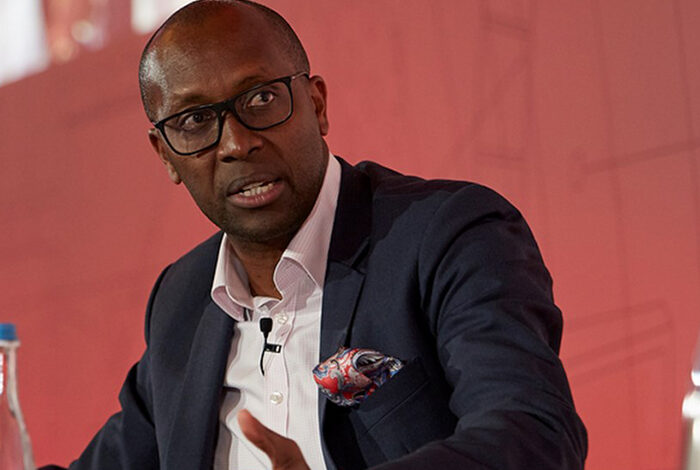
The Group CEO of Amref Health Africa, Dr. Githinji Gitahi, has criticized the decision by former U.S. President Donald Trump to withdraw the United States from the World Health Organization (WHO), describing it as a setback for global health security and public health progress.
In a statement, Dr. Gitahi highlighted the pivotal role of WHO in strengthening health systems worldwide, particularly in Africa, where its collaboration with WHO Afro and the Africa Centres for Disease Control and Prevention (Africa CDC) has been instrumental in disease surveillance, response, and health systems improvement.
“The U.S. withdrawal creates a budget shortfall of over $1.2 billion out of WHO’s annual budget of approximately $5 billion. This threatens to weaken global health security, especially for the most fragile health systems, mainly in Africa,” Dr. Gitahi stated.
The CEO emphasized that many African governments, already burdened by debt, lack the financial capacity to offset the funding gap left by the U.S. withdrawal. This shortfall risks exacerbating vulnerabilities amid an increase in disease outbreaks fueled by climate change and human-environmental conflicts.
Dr. Gitahi also warned of the broader implications for global health security, stressing that weakened systems in one region could leave the entire world exposed to infectious diseases and other public health threats.
“We urge the U.S. administration to reconsider its decision and engage with WHO to protect the health and well-being of millions in Africa and worldwide. Global cooperation is essential for a safer, healthier future,” he added.
Amref Health Africa, a Kenyan-based non-governmental organization focused on community and environmental healthcare, has been a long-standing advocate for equitable access to health services and global health collaboration.
The U.S. withdrawal from WHO, announced during Trump’s first day in office, has drawn widespread criticism from public health experts and organizations worldwide, who argue that global challenges like pandemics require collective action and cooperation. As the world continues to face threats from emerging diseases and climate change, the call for renewed U.S. engagement with WHO underscores the importance of international solidarity in safeguarding global health.



