

Atlantic Lifesciences’ swift response mitigates cholera outbreak in Ghana

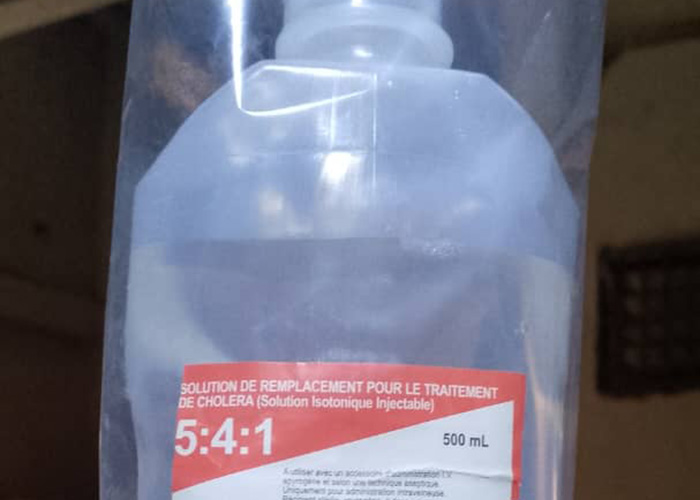
Atlantic Lifesciences Limited, a prominent pharmaceutical manufacturer specializing in intravenous infusions, injectables, vaccines, and sera, has donated Cholera Replacement Fluid (CRF) products valued at GH₵200,000 to the Ghana Health Service. The timely contribution is designated for health centers in regions affected by the recent cholera outbreak.
The swift provision of CRF has been essential in treating patients suffering from severe dehydration caused by cholera, significantly reducing mortality rates. Cholera, a bacterial infection, presents symptoms such as frequent diarrhoea, vomiting, dehydration, abdominal cramps, fever, headache, fatigue, dry mouth, and decreased urine output. Without prompt treatment, severe cases can be fatal within hours, underscoring the critical need for immediate medical intervention.
According to the Ghana Health Service, as of December 31, 2024, there have been 4,850 suspected cholera cases across the Greater Accra, Eastern, Central, Ashanti, and Western Regions. The outbreak has resulted in 40 fatalities, with 398 individuals currently receiving treatment. The last significant cholera epidemic in Ghana occurred between 2014 and 2015.
Mr. Dhananjay Tripathi, CEO of Atlantic Lifesciences and Vice President of the Pharmaceutical Manufacturers Association of Ghana (PMAG), assured the Ghana Health Service that the company has sufficient CRF stock to meet the nation’s needs. He emphasized the importance of bolstering local pharmaceutical manufacturing to ensure readiness for such health emergencies.
“Atlantic Lifesciences operates a state-of-the-art sterile pharmaceutical plant equipped with two German Rommelag machines, capable of producing 200,000 infusion bottles daily using fully automated Blow-Fill-Seal technology,” stated Mr. Tripathi. “Our 24-hour operations enabled us to produce sufficient quantities of CRF for timely delivery to the Ghana Health Service. Without local manufacturing capabilities, reliance on imports could have led to critical delays and increased fatalities.”
This situation highlights the necessity of strengthening Ghana’s local pharmaceutical industry. Currently, approximately 40% of the nation’s medicine supply is produced domestically, with the remaining 60% imported, primarily from India and China. Challenges such as higher production costs and the absence of facilities compliant with WHO standards hinder the growth of local manufacturers.
Enhancing local production capabilities is vital for ensuring timely access to essential medicines during health crises. A robust domestic pharmaceutical sector not only improves public health response times but also contributes to economic growth and job creation. Atlantic Lifesciences’ proactive intervention during this cholera outbreak serves as a compelling example of the critical role local pharmaceutical companies play in safeguarding public health. Continued investment and support for the domestic pharmaceutical industry are imperative to enhance Ghana’s capacity to respond to future health emergencies effectively.



