Govt clears £3.6bn sale of Royal Mail parent company to Czech billionaire
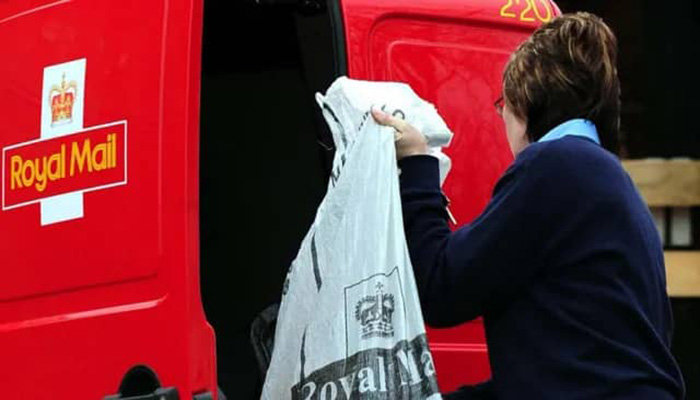
The UK government has approved the £3.6bn takeover of Royal Mail’s parent company, International Distribution Services (IDS), by Czech billionaire Daniel Kretinsky’s EP Group. The deal, which includes legally binding commitments, ensures Royal Mail’s operational integrity and its Universal Service Obligation (USO).
Universal Service Obligation Under Review
The USO is currently being reviewed by Ofcom, with Royal Mail suggesting potential reforms, such as delivering second-class mail every other day. The company argues this could save £300m annually and help stabilize its finances. Ofcom is expected to announce its decision next year.
Dame Melanie Dawes, Ofcom’s chief executive, highlighted the challenges of declining letter volumes, saying: “We need to consider what is economical to sustain the service in the future.”
A Modern Vision for Royal Mail
Mr. Kretinsky aims to transform Royal Mail into a modern postal operator. By integrating expertise from IDS’s profitable European parcels business, GLS, and investing in out-of-home delivery lockers, he hopes to expand market share in the competitive parcel delivery sector.
The acquisition, valued at £5.3bn when debts are included, is set to be finalized early next year. Business Secretary Jonathan Reynolds described the deal as beneficial for the UK, Royal Mail employees, and its customers, stating: ”This agreement represents a good deal for all stakeholders involved.”
Worker Benefits and Union Agreement
As part of the deal:
- EP Group has pledged to maintain Royal Mail’s brand name, UK headquarters, and tax residency for at least five years.
- Workers will receive 10% of dividends paid to Mr. Kretinsky.
- A workers’ group will meet monthly with Royal Mail directors, giving employees a greater voice in company decisions.
While CWU General Secretary Dave Ward described the agreement as a significant opportunity to secure Royal Mail’s future, he cautioned that union discussions on USO reform remain unresolved.
Royal Mail Faces Mounting Challenges
Royal Mail’s performance has deteriorated in recent years, driven by declining letter volumes—now half of 2011 levels—and heavy financial losses. Last week, Ofcom fined the company £10.5m for failing to meet delivery targets for first- and second-class mail.
Jenny Hall, Royal Mail’s corporate affairs director, emphasized ongoing investments to improve performance but stressed the need for USO reforms to align with changing consumer habits: ”We strive to keep postage costs low, but prices must reflect the realities of delivering the service.”
Currently, the price of a second-class stamp is regulated by Ofcom and tied to inflation. However, no such limits exist for first-class stamps, which rose by 30p to £1.65 in October to address what the company called “very real and urgent” financial challenges.
Broader Context
Mr. Kretinsky, whose net worth is £6bn according to The Sunday Times Rich List, has diversified investments, including stakes in West Ham United, Sainsbury’s, and European energy infrastructure.
The acquisition was initially reviewed under national security laws due to Royal Mail’s status as vital national infrastructure. However, previous concerns about Mr. Kretinsky’s alleged ties to Russia were dismissed during his rise as Royal Mail’s largest shareholder two years ago. As Royal Mail navigates these changes, Ofcom has vowed to hold the company accountable for meeting its obligations and improving its service.