Ex-NPRA CEO advocates for pension reforms
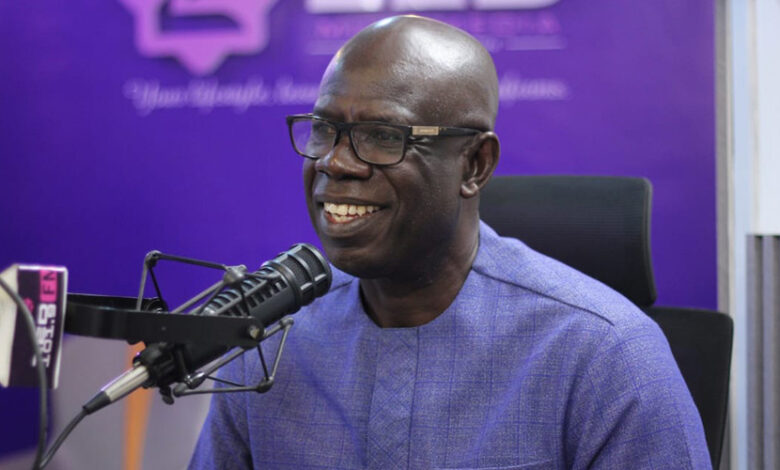
In an exclusive interview, the former Chief Executive Officer (CEO) of the National Pensions Regulatory Authority (NPRA), Mr Hayford Atta Krufi, has urged the government to consider reforms in employment and retirement policies to ensure the long-term sustainability of Ghana’s pension system.
Dismissing concerns that the country’s pension scheme could be a “Ponzi scheme,” he explained that its sustainability is hinged on continuous contributions, which rely heavily on robust employment policies and strategic adjustments to retirement age.
Sustainability through employment growth
The former NPRA Boss emphasized the need for a significant increase in employment to sustain the pension system, highlighting the importance of job creation in expanding the contributor base. “The scheme is built on what we call the solidarity rule,” he stated, stressing that the financial health of the pension fund depends on consistent contributions from the workforce. “There should be increased employment so that there will be a continuous contribution towards the scheme,” he advised, calling on the government to prioritize job creation through effective policies.
Debate on retirement age
The former NPRA CEO also addressed the issue of Ghana’s retirement age, currently set at 60, as stipulated in the constitution. He advocated for a phased increase in the retirement age to ensure sustainability, drawing on international trends where gradual adjustments have been made over time.
“You don’t jump from 60 to 65. It’s never done anywhere like that. You do it step by step, like 60 to 62,” Mr Atta Krufi explained, suggesting a modest increase to 62 years as a first step. He emphasized the need for careful monitoring of the effects before making further adjustments, urging a thoughtful approach to prevent the premature depletion of pension resources.
Gender-specific adjustments
Speaking to gender disparities in the workforce, the former Pensions regulator CEO noted that women often face career interruptions due to maternity and caregiving responsibilities, which can affect their pension contributions. He recommended policies that accommodate these challenges. “In many societies, women are given one more year to recoup whatever they have not contributed,” he said, proposing that such adjustments be considered in Ghana’s pension reform agenda.
Learning from global trends
Drawing on his experience and observations of international practices, [Insert Name] pointed to the UK’s approach to raising retirement age gradually. “It didn’t go all the way up there from 60 to 67 overnight,” he noted, referencing the UK’s gradual increase in retirement age, which now stands at 67 for men and 66 for women. He suggested that Ghana could follow a similar gradual approach, initially setting the retirement age at 62, with the option of further increases after evaluation.