Big Boost For Ghana’s Economic Recovery Efforts
– As IMF review unlocks disbursement of US$360m
Story: Isaac AIDOO, Accra
The International Monetary Fund (IMF) has completed the third review of Ghana’s $3 billion Extended Credit Facility (ECF) programme, clearing the way for an immediate disbursement of approximately $360 million.
This brings Ghana’s total disbursements under the arrangement, which began in May 2023, to about $1.9 billion.
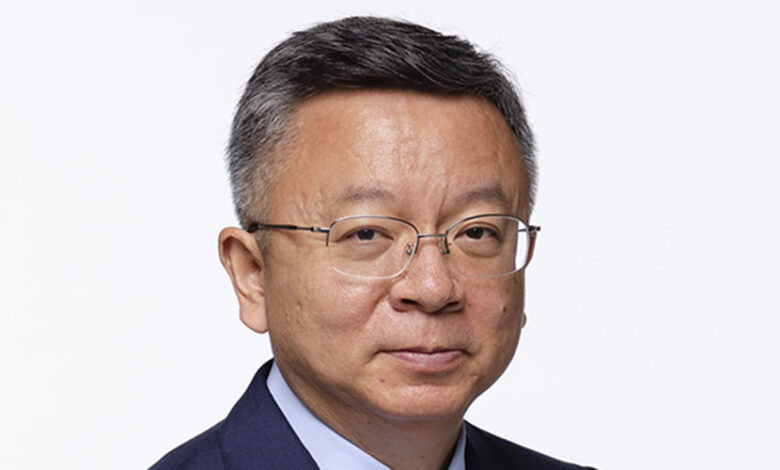
The IMF’s Executive Board acknowledged Ghana’s steady progress under the programme, attributing it to robust policy and reform measures aimed at stabilizing the economy. Deputy Managing Director of the IMF, Bo Li, commended Ghana’s achievements, stating, “Ghana’s economic strategy is delivering on its objectives, with the economy showing clear signs of stabilization.”
Encouraging Signs of Recovery
In its statement, the IMF highlighted that Ghana’s reforms have been pivotal in addressing the acute economic pressures of 2022. The programme has provided a framework for implementing macroeconomic adjustments and comprehensive reforms designed to restore economic stability, achieve debt sustainability, and lay the foundation for inclusive growth.
“These efforts are paying off,” the IMF noted, citing rapid growth recovery, declining inflation—albeit at a slower pace—and improvements in fiscal and external positions. However, the Fund emphasized that while the medium-term outlook is favorable, risks remain, including those linked to Ghana’s energy sector and the upcoming general elections.
Bo Li further stressed the importance of sustaining these reforms, saying, “Steadfast programme implementation remains essential to fully and durably restore macroeconomic stability and debt sustainability, while addressing longstanding structural vulnerabilities.”
Debt Restructuring Achievements
The IMF commended Ghana’s substantial progress in restructuring its public debt. Following the successful domestic debt restructuring in 2023 and the Memorandum of Understanding with the Official Creditor Committee under the G20 Common Framework in mid-2024, Ghana recently concluded an exchange of Eurobonds under terms consistent with the programme’s objectives.
The government has also intensified efforts to engage with external commercial creditors, aiming to finalize a comprehensive debt restructuring aligned with the programme’s parameters and comparability of treatment.
Fiscal Discipline and Emerging Challenges
Ghana is on track to achieve a primary surplus of 0.5% of GDP in 2024 despite unexpected spending pressures from a prolonged dry spell and challenges in the energy sector. Looking ahead, the government aims to achieve a 1.5% primary surplus by 2025, driven by increased domestic revenue mobilization and expenditure rationalization.
The IMF emphasized the need to continue fiscal consolidation while expanding social programmes to cushion vulnerable populations. The Fund also stressed the importance of reforms to modernize Ghana’s fiscal responsibility framework, strengthen revenue administration, and improve public financial management and the governance of State-Owned Enterprises (SOEs), particularly in the energy and cocoa sectors.
Bo Li underscored this point, stating, “Staying the course of fiscal policy adjustment—including before and after the upcoming elections—and creating room to enhance social programmes is paramount to putting public finances on a sustainable path while cushioning the vulnerable.”
Role of the Bank of Ghana
The Bank of Ghana (BoG) was commended for maintaining a prudent monetary policy stance, which has helped sustain inflation reduction and rebuild international reserves. Additionally, the BoG has implemented measures to strengthen financial sector stability, including actions to recapitalize state-owned banks and ensure the viability of private financial institutions.
The IMF urged the BoG to maintain tight monetary policies to mitigate risks of inflation resurgence and to enhance exchange rate flexibility as part of broader efforts to stabilize the economy.
Structural Reforms for Sustainable Growth
Structural reforms remain a cornerstone of Ghana’s economic strategy. The IMF pointed out that enhancing governance, promoting transparency, and creating a conducive environment for private sector investment are essential for unlocking the country’s growth potential and generating sustainable jobs.
Bo Li remarked, “Continued efforts to enhance domestic revenue mobilization, streamline expenditure, and tackle challenges in key sectors like energy are critical for containing fiscal risks and supporting long-term development.”
Navigating Risks Ahead
While the IMF acknowledged Ghana’s progress, it cautioned that the upcoming elections could pose challenges to fiscal discipline. Furthermore, inefficiencies in the energy sector remain a significant fiscal risk. The Fund urged Ghana to remain committed to its reform agenda and maintain macroeconomic stability before, during, and after the elections.
Conclusion
The successful completion of the third ECF review marks a critical milestone in Ghana’s economic recovery journey. With the IMF’s continued support and the government’s commitment to reforms, the country is well-positioned to stabilize its economy, address debt vulnerabilities, and foster inclusive growth. However, the months ahead will test Ghana’s resolve in implementing its ambitious agenda amid domestic and external challenges.