Great initiative, FRI
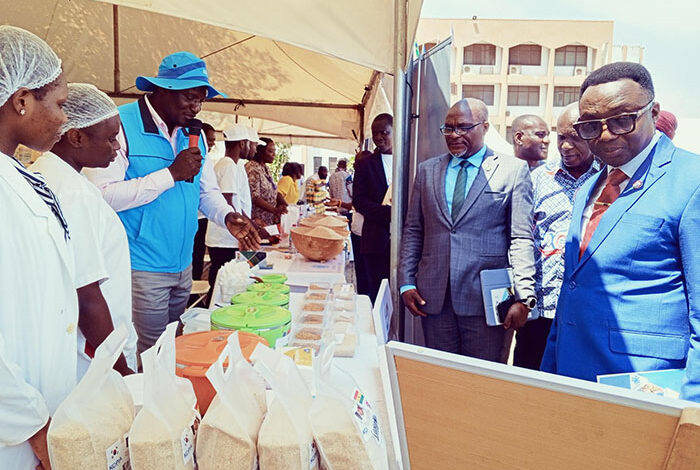
THE call by the Food Research Institute (FRI) of the Council for Scientific and Industrial Research (CSIR) to engage in their specialized food training programme is both timely and essential.
With Ghana facing food insecurity and significant post-harvest losses, FRI’s initiative offers a valuable opportunity for individuals, groups, and businesses to harness modern agricultural practices and transform them into economic opportunities.
The Institute’s diverse training models, covering everything from root and tuber crops to cereals and cash crops, could play a critical role in reducing unemployment, fostering food security, and ultimately driving sustainable development across the nation.
With decades of research expertise, FRI has a proven track record in developing technologies that directly address the challenges of food preservation, processing, and post-harvest management.
By providing practical, user-friendly solutions, FRI equips individuals and small and medium-sized enterprises (SMEs) with the skills and tools they need to build sustainable businesses.
In a country where food waste is a persistent issue, these models offer a promising solution to significantly cut down on food loss, translating into economic savings and better food availability for all Ghanaians.
Beyond the training itself, FRI’s commitment to supporting graduates of its programs underscores the potential for long-term impact. Graduates have the opportunity not only to start new businesses but to enhance the productivity of existing enterprises.
This model has proven effective in other sectors, and it’s encouraging to see FRI expand its focus to address post-harvest management. These efforts are essential if Ghana is to curb the high rates of food waste that undercut the nation’s agricultural productivity.
The broader message shared by stakeholders, including CSIR’s Director General Prof. Paul Pinnock Bosu and MP Lydia Seyram Alhassan, highlights the importance of food as both sustenance and medicine.
Access to nutritious food underpins not only physical well-being but also national health outcomes, particularly for vulnerable populations. The World Food Day theme, ‘Food is Life, Food is Medicine, Leave No One Behind,’ reminds us that food security is inseparable from public health and social equity.
FRI’s training programs represent an impactful solution, empowering individuals to drive change in their communities. For Ghana, investing in food technology, enhancing agricultural practices, and providing the tools for entrepreneurial growth are all critical pathways to tackling food insecurity and promoting economic resilience. By embracing these programs, Ghana can build a food-secure future—one where no one is left behind.