Ghana faces potential power crisis over Asogli shutdown
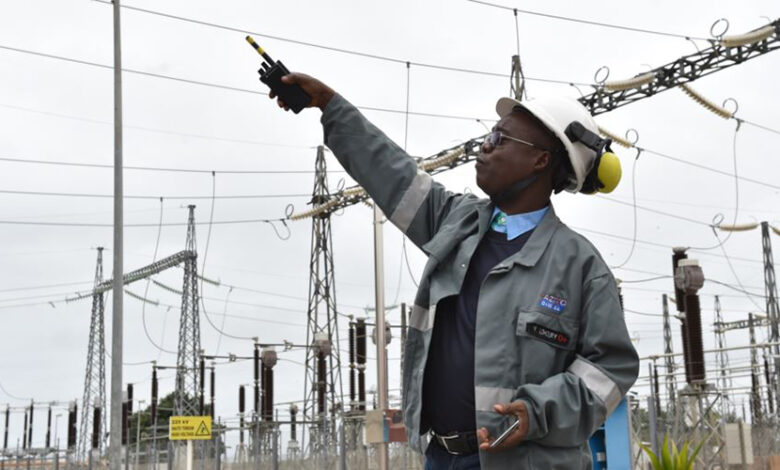
The Institute for Energy Security (IES) has issued a warning that Ghanaians could face extended power fluctuations, or ‘dumsor,’ as the government hesitates to address the root causes of power instability.
This potential crisis follows the recent shutdown of the Sunon Asogli Power Plant, which typically provides around 12-15% of Ghana’s electricity supply.
Sunon Asogli, a major contributor to the national grid with a capacity of 560 megawatts (MW), suspended its operations two weeks ago, citing prolonged delays in receiving payments for power supplied. The plant’s management has stated that $259 million is needed to cover operational debts and restore production. Despite calls from the Ghana Grid Company Limited (GRIDCo) to resume operations, Sunon Asogli has not reactivated, citing a lack of necessary funds.
In its statement, IES highlighted that “Ghana faces a renewed threat of power crisis” as the Sunon Asogli plant shutdown brings back memories of previous prolonged power outages. The IES added that those experiencing mild power fluctuations should brace for potentially more frequent and longer outages if the issue is not swiftly addressed.
Ghana has made significant strides in recent years to balance electricity supply and demand, keeping the grid stable and avoiding the severe outages associated with the ‘dumsor’ period. However, the sudden loss of 560 MW has created a supply gap that may be difficult to bridge in the short term. Although other plants, like BridgePower and CenPower, have been brought online, the gap persists, with GRIDCo reporting daily power generation below the required 3,165 MW during peak hours.
In fact, average power generation over the past week has fallen below 3,000 MW, indicating a 500 MW supply shortfall during peak demand. Without timely intervention, this deficit could increase, and other plants attempting to cover the gap could drive up electricity costs, placing additional financial pressure on consumers and businesses alike. The IES warns that without immediate government action to address this funding impasse, Ghana’s power supply stability will remain at risk. This situation not only raises the specter of more widespread outages but also puts upward pressure on electricity tariffs, complicating matters for the economy and Ghanaian households.