AGI urges firm action against Galamsey
By Isaac AIDOO, Accra
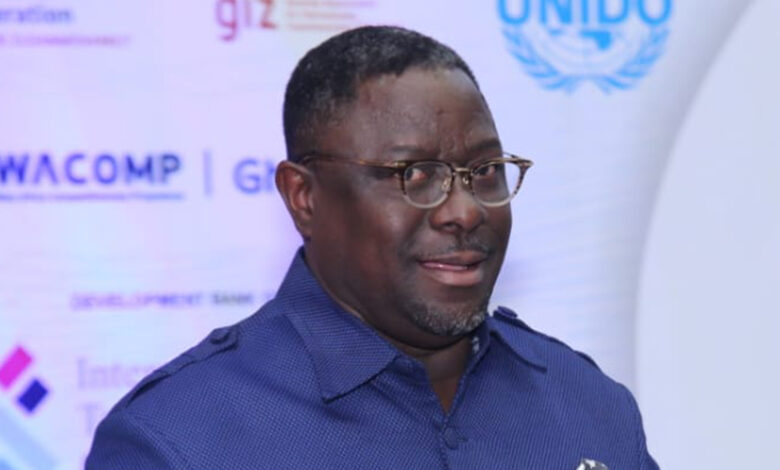
The President of the Association of Ghana Industries (AGI), Dr. Humphrey Ayim-Darke, has made a strong appeal for decisive and immediate action against illegal small-scale mining, known as galamsey, citing its destructive impact on both the economy and the environment. His call comes at a time when galamsey has become a major issue, threatening not only the livelihoods of many Ghanaians but also undermining the country’s long-term development prospects.
In an interview with this paper, Dr. Ayim-Darke emphasized that ahead of the upcoming elections, political parties need to clearly outline their strategies and commitments to tackle galamsey. He pointed out that this illegal activity continues to have devastating effects on Ghana’s economy, particularly on key sectors like agriculture, industry, and trade. The illegal mining practice has led to widespread deforestation and pollution of water bodies, severely impacting communities and industries that rely on these natural resources.
Economic Consequences of Galamsey
One of Dr. Ayim-Darke’s major concerns is the impact of galamsey on Ghana’s trade relationships, especially with the European Union (EU). The EU is increasingly focusing on the traceability and environmental footprint of products imported into its market. The AGI President warned that Ghana’s exports, particularly in mining-related sectors, could face further restrictions or bans if illegal mining is not curtailed. Recent reports indicate that some of Ghana’s exports have already been flagged due to traceability issues linked to environmental damage caused by galamsey activities.
He stressed that the European Union’s stringent regulations on sustainable sourcing of materials could put Ghana at a disadvantage if immediate action is not taken. This could lead to a reduction in foreign exchange earnings, increased trade barriers, and potential sanctions, all of which would harm the country’s economic standing in the global market.
Environmental and Social Impact
Beyond the economic ramifications, Dr. Ayim-Darke highlighted the severe environmental degradation caused by galamsey. Rivers and water bodies across the country, including major sources of drinking water, have been polluted by toxic chemicals used in illegal mining. This not only poses a public health crisis but also threatens the agriculture sector, as farmers depend on clean water for irrigation. The loss of arable land due to the destruction of forest reserves also further diminishes Ghana’s agricultural productivity, endangering food security.
The AGI President warned that failure to address the environmental destruction caused by galamsey will result in long-term challenges that could destabilize the country’s economic and social fabric. He urged authorities to move beyond political considerations and implement firm measures to halt illegal mining, even if it means taking tough decisions that may not be popular in the short term.
Call for Long-Term Solutions and Private Sector Engagement
Dr. Ayim-Darke stressed the need for a long-term, sustainable approach to solving the galamsey crisis. While the economic benefits of galamsey may seem attractive in the short term, he argued that the long-term damage to the environment and economy far outweighs these immediate gains. The AGI President called on political leaders to demonstrate political will by prioritizing policies that promote sustainable mining practices and environmental protection.
From the perspective of the private sector, Dr. Ayim-Darke noted that businesses are committed to sustainability and long-term growth, but illegal mining poses a significant threat to their operations. He encouraged private sector players to actively engage with the government and regulatory bodies to ensure that the right policies are in place to protect the environment and create a level playing field for legitimate businesses. This, he added, would foster a more competitive and sustainable business environment, which is crucial for economic growth and development.
The AGI President’s comments underscore the urgency of addressing galamsey as a critical national issue. The consequences of inaction are clear: if illegal mining continues unchecked, it will not only devastate the environment but also jeopardize Ghana’s economic future by damaging trade relations and undermining sustainable business practices. Dr. Ayim-Darke’s call for firm action reflects a broader concern within the private sector and civil society about the need to safeguard Ghana’s natural resources and ensure long-term economic stability. As the country heads into elections, the need for political parties to present clear, actionable plans to combat galamsey will be a key factor in shaping Ghana’s path towards sustainable development.