Neglect of performing arts critical oversight – Dr Benagr
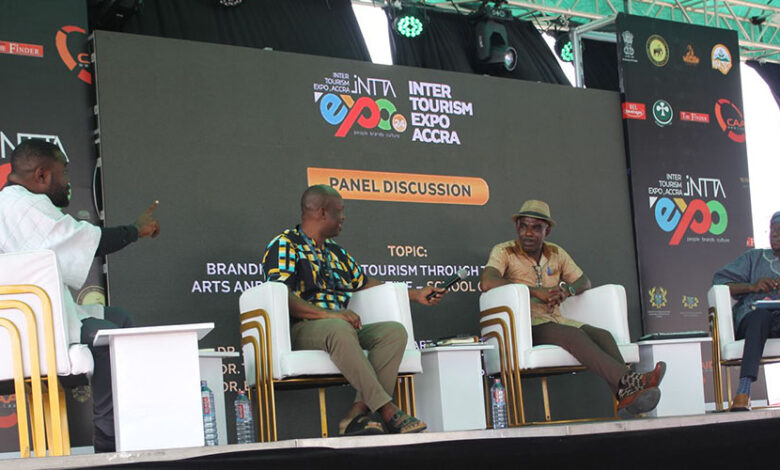
GHANA’S failure to fully harness the potential of its tourism industry is being blamed on the underutilization of performing arts, a vital aspect that experts believe could propel the sector to greater heights.
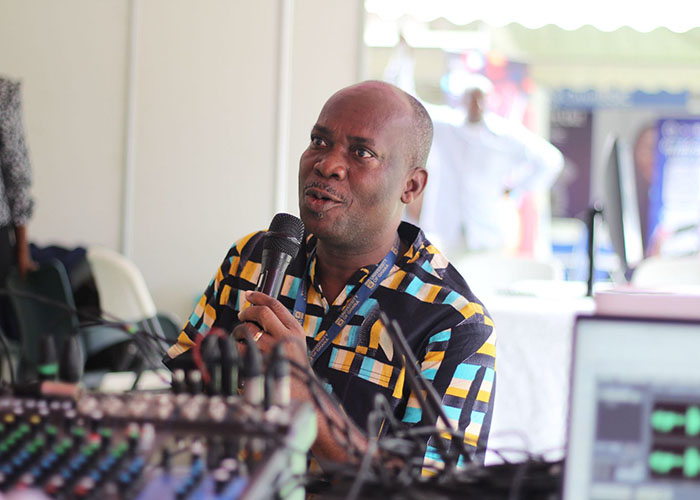
Dr. Samuel Benagr, Head of the Department of Theatre Arts at the University of Ghana’s School of Performing Arts, strongly argues that the neglect of the arts is a critical oversight in the country’s tourism strategy.
Speaking on the Zed in the Morning special broadcast at the Ghana Inter Tourism Expo 2024, Dr. Benagr highlighted the immense value that the performing arts—such as music, dance, and drama—could add to the tourism experience. He noted that globally, tourists are drawn to destinations that offer rich cultural experiences, particularly those involving the arts.
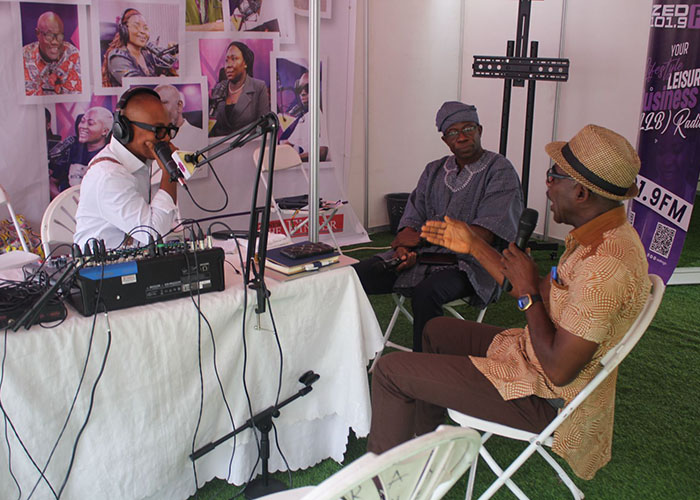
“If art is life, then every aspect of human activity, including tourism, makes the performing arts an important fixture. Sadly, we are under-exploiting the capabilities of the performing arts in actually propping up what the tourism sector can achieve,” Dr. Benagr lamented.
Supporting his point, a 2023 study published in the Economic Research Journal revealed that tourists are 145% more likely to engage in tourism activities that incorporate the arts. Despite this, Dr. Benagr emphasized that the tourism sector in Ghana has not fully appreciated the power of the performing arts. “We are not extracting the maximum benefits. This stems from either ignorance or a lack of appreciation of what the arts can truly do for us,” he added.
Colonial Influence and Cultural Disconnect
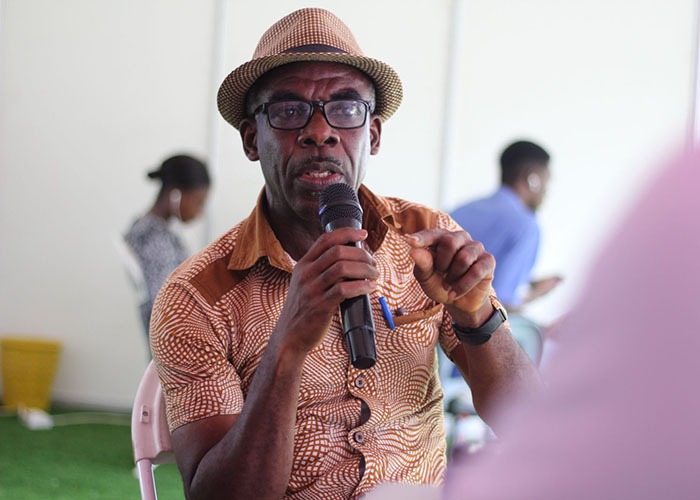
Dr. Terry Bright, Head of the Department of Dance Studies at the same university, expanded on the issue, attributing part of the problem to the lingering effects of colonialism, which devalued indigenous cultural expressions in favour of Western influences.
“We are a damaged people. Colonialism has taught us to cherish anything foreign and to look down on our own traditional practices. This damage is still visible today as many of our children are glued to social media, idolizing Western cultures,” Dr. Bright remarked.
He explained that this colonial legacy has contributed to the reluctance of Ghanaians to value the performing arts, particularly in sectors like tourism. “We dance at everything, yet we fail to see the business value of this expressiveness in promoting our culture through tourism,” Dr. Bright added.
To address this, Dr. Bright advocated for deliberate efforts to create a dedicated space where performing arts can be showcased for tourists, similar to models seen in countries like Malaysia and the Philippines. “They have performances running every single day, which attract both domestic and international tourists. We must be intentional about creating such spaces in Ghana,” he suggested.
Economic perception and parental reluctance
Another factor limiting the growth of performing arts in tourism, according to Dr. Benjamin Machibu Atimu, Head of the Department of Music at the University of Ghana, is the perception that the arts are not financially rewarding. This perception leads many parents to steer their children away from careers in the performing arts, often pushing them towards more traditionally lucrative professions like law or banking.
“Parents hinder their children from pursuing anything in the performing arts. I know of one parent who even stopped their child from doing national service in the arts, insisting they go into banking instead,” Dr. Atimu revealed.
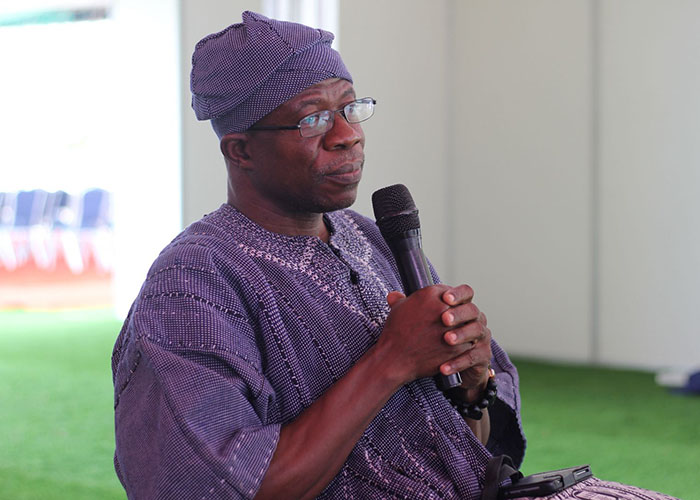
However, Dr. Atimu noted that this mindset is slowly changing, comparing it to how football was once frowned upon but has now gained respect and economic value. “Parents once discouraged their children from playing football, but now we even have soccer academies where sports are celebrated alongside education. The performing arts are on a similar path and, in time, will also be recognized for their economic potential,” he added.
A call for deliberate action
In their concluding remarks, the three experts emphasized the need for a deliberate, coordinated approach to integrating the performing arts into Ghana’s tourism strategy. This includes dedicated spaces for performances, consistent promotion, and ensuring that performers are adequately compensated for their contributions to tourism.
Dr. Benagr summed it up: “We need to be deliberate about injecting and projecting culture and art as a true identifier. If we don’t, we will continue to miss out on opportunities to boost our tourism sector.” The call to action from these experts comes at a crucial time, as Ghana continues to seek ways to diversify its economy and attract more tourists. With the right attention and investment, the performing arts could be the key to unlocking the country’s full tourism potential.