Australia’s major airports face severe climate risks, new report warns
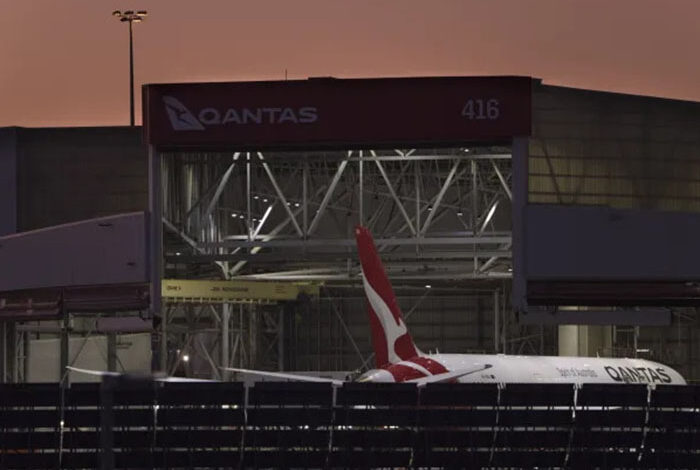
A majority of Australia’s major airports, including Sydney and Brisbane, are at high risk from the severe impacts of climate change, according to a new report by the Zurich-Mandala Climate Risk Index. The report highlights the vulnerability of multibillion-dollar aviation infrastructure investments, many of which are backed by large pension funds.
The analysis revealed that 94% of Australia’s 31 busiest airports are exposed to multiple climate-related threats, including storms, floods, heatwaves, and high winds. These airports have been given the highest possible risk rating, indicating the potential for significant disruptions in the coming years.
The findings serve as a warning to aviation infrastructure owners worldwide, including IFM Investors, which holds stakes in airports like Sydney, London Stansted, and Vienna. The risks posed by worsening weather conditions are not limited to airports but also affect airlines like Qantas Airways, passengers, freight deliveries, and broader supply chains.
While the report outlines potential solutions to mitigate these risks, such as heat-tolerant runways and flood barriers, these come with substantial costs. Danny Elia, IFM’s global head of infrastructure asset management, acknowledged the importance of investing in greater resilience to protect these assets over time.
“If the risk of flooding and other climate threats is expected to grow, we invest in increased resilience,” Elia said, though he added that none of IFM’s current assets are raising immediate alarms.
The report also assessed the risk to Australia’s A$170 billion ($114 billion) tourism sector, analyzing 178 sites, including Sydney Airport, Bondi Beach, the Melbourne Cricket Ground, and Uluru. Using climate models from the Intergovernmental Panel on Climate Change, it predicted that by 2050, 55% of these sites will fall into the highest risk categories, up from 50% today. These sites are expected to face multiple hazards, affecting their environmental appeal and accessibility.
As the planet continues to warm, the travel and tourism industries in Australia will face growing challenges, demanding urgent action to bolster infrastructure resilience.
Emerging market borrowers rush to issue bonds amid market volatility fears
Borrowers in developing countries are moving swiftly to protect themselves from potential market volatility, particularly in the US, as they face uncertainties that could disrupt their refinancing plans. In the first five days of September, governments and companies in emerging markets have issued bonds worth $28 billion, the highest ever for this period, according to data compiled by Bloomberg. This is more than double the $12 billion raised during the same time last year.
The surge in bond issuance is largely driven by a desire to get ahead of the US presidential election in November and avoid market turmoil similar to that of August 5, when panic over economic growth led investors to flee emerging market currencies and Japanese stocks. This resulted in the steepest increase in borrowing costs for emerging market sovereigns in nearly six years, according to a JPMorgan index.
“Most issuers have wisely chosen to enter the market before potential volatility hits,” said Alexander Karolev, head of JPMorgan Chase & Co.’s CEEMEA bond syndicate desk. “We expect a significant slowdown in issuance in the coming weeks due to upcoming risk events.”
For now, emerging market borrowers are benefiting from some of the lowest yields seen in two years, averaging 6.5%, based on a Bloomberg index of dollar-denominated government and corporate debt. Many issuers are capitalizing on favorable conditions to meet their funding needs, and investors are keen to support these deals before potential interest rate cuts lower yields further. Recent high-profile deals include those from Abu Dhabi National Oil Co., Indonesia, and Uruguay.
Calls for aggressive monetary easing by the Federal Reserve are growing louder as economic data from the US remain mixed. Last Friday’s payroll report revealed weaker-than-expected job growth, signaling potential turbulence ahead. A US rate volatility index also suggests market instability in the near future.
“A significant slowdown in the US economy would be detrimental to emerging markets,” noted Nick Eisinger, co-head of emerging markets active fixed income at Vanguard Asset Services Ltd. “This is a good time to push through new issuances.” The US dollar has become the preferred currency for hedging against volatility, with dollar-denominated bonds outpacing those in euros and other hard currencies by a growing margin this year.