Forest sector poised for growth
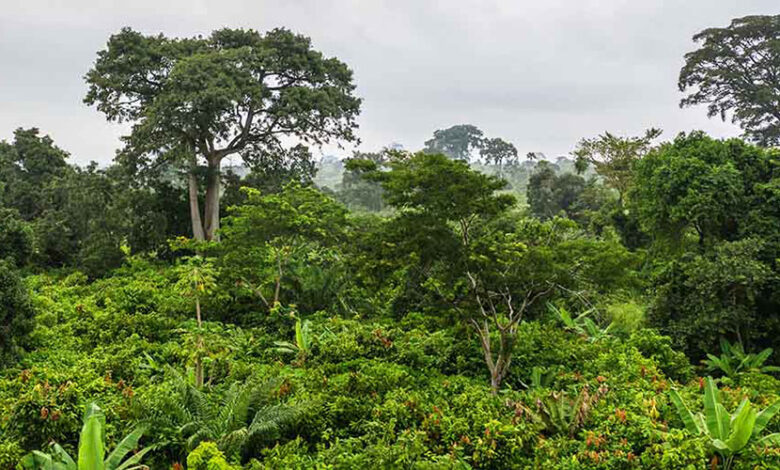
GHANA’S forest sector is set to receive a significant boost following the release of a ground-breaking study that highlights the sector’s extensive economic contributions.
The Ghana Statistical Service (GSS), in collaboration with the Food and Agriculture Organization (FAO), the Warnell School of Forestry at the University of Georgia (UGA), and the Forestry Commission (FC), has completed an in-depth assessment of the forest sector’s total contribution to the national economy.
The findings aim to bridge the knowledge gap that has long underestimated the sector’s value, paving the way for informed policy decisions and targeted investments.
The study’s results, which were shared during a national dialogue, emphasize the forest sector’s far-reaching impact on Ghana’s economy, extending beyond direct contributions to include significant indirect and induced effects. By employing an Input/Output model, the research revealed that the total economic contributions of the forest sector globally more than double the direct contributions, with substantial variations across different segments and countries. For Ghana, this comprehensive evaluation uncovers previously overlooked linkages between forestry and other economic sectors, particularly agriculture, and identifies opportunities for enhancing the sector’s role in sustainable development.
The expected outcomes from this assessment are multifaceted and could reshape Ghana’s forest sector:
- Increased Awareness and Visibility: The dissemination of the final report, titled “Contribution and Sectoral Linkages of the Forest Sector to the Economy of Ghana,” is anticipated to elevate the sector’s profile, highlighting its integral role in the economy. This newfound visibility is expected to foster discussions on developing value chains that maximize the forest sector’s comprehensive economic impact.
- Policy Formulation and Strategic Roadmap: The study’s findings will serve as the foundation for drafting a policy roadmap, prioritizing opportunities to strengthen forest value chains and attract investments in the sector. This roadmap will be aligned with Ghana’s national development objectives, ensuring that the forest sector contributes effectively to the country’s economic growth and sustainability goals.
- Enhanced Partnerships and Investment Opportunities: The dialogue also aims to uncover the potential roles of partnerships between public institutions, the private sector, knowledge institutions, and civil society in driving the development of forest value chains. These collaborations are expected to open new avenues for investment, support climate resilience, and contribute to national development efforts.
With a target audience of up to 60 attendees from various sectors, including forestry, agriculture, construction, and finance, the national dialogue is set to be a pivotal moment for Ghana’s forest sector. Participants will include representatives from government institutions, private sector organizations, women and youth groups, civil society, academia, and international organizations. Their collective insights and experiences will be crucial in shaping the future of Ghana’s forest sector, ensuring it remains a vital contributor to the country’s economic prosperity. As Ghana moves forward with the implementation of these findings, the forest sector is expected to play a more prominent role in national development, driving sustainable economic growth and providing new opportunities for investment and job creation.