Cocoa prices hit $9,649 per tonne
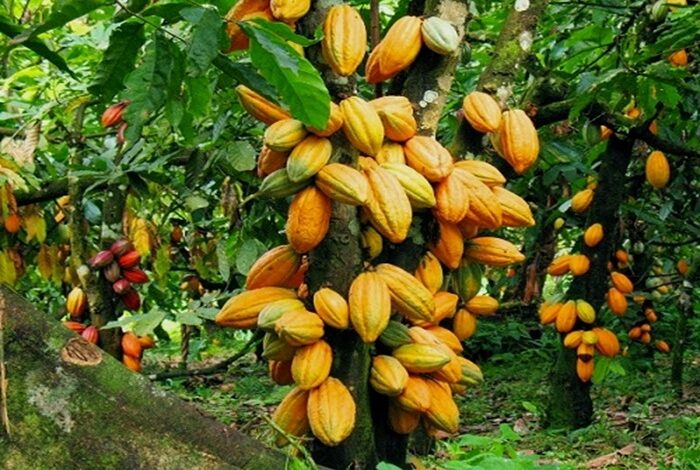
Cocoa extended its surge — gaining more than $700 per ton in a single day and hitting $9,649 per tonne for the first time ever — as a supply crunch grips the market and chocolate makers grapple for beans.
Futures in New York climbed for a fourth straight day, adding to gains after news about funding challenges in Ghana, the world’s second-largest grower.
The country is set to lose access to a key funding facility as a crisis in its cocoa crop has left it without enough beans to secure the money.
The Ghana Cocoa Board, the industry regulator known as Cocobod, relies on foreign financing to pay cocoa farmers for their beans.
Prices are up about 60% this month alone and have more than doubled already this year.
Poor harvests on the back of bad weather and crop disease in West African growers, where most of the world’s cocoa is grown, and little sign of production relief elsewhere have left the industry in a bind.
The rally has sent prices toward $10,000 — a level that seemed unthinkable only a few months ago — and even made cocoa more expensive than bellwether industrial metal copper.
Cocoa’s advance will feed through into higher chocolate costs throughout the year.
Easter eggs are already getting more expensive due to last year’s price jump, and some manufacturers are curbing bar sizes or promoting varieties with other ingredients to soften the blow.
Futures rose 7.9% to settle at $9,649 per metric ton in New York. Prices have kept climbing despite a technical gauge being in overbought territory for much of the last couple of months. Cocoa in London also climbed.
“Chocolate may be even more expensive in Easter 2025, if cocoa-tree diseases and inclement weather prolong the deficit amid high sugar prices,” Bloomberg Intelligence analyst Diana Gomes said in a note on Friday.
While prices have soared, speculators have actually been pulling out of the market. Open interest — the number of outstanding contracts — has dropped from a peak in late January, and money managers cut their net-bullish wagers to a one-year low in the latest week. That suggests that physical buyers may have played a key role in the price rally.
There’s a risk the supply situation may worsen. Incoming European Union rules — aimed at stopping products that destroy forests from being sold in shops — may make it even harder for the bloc’s top chocolate makers to secure supplies.
Focus is now turning to West Africa’s upcoming mid-crop, the smaller of two annual harvests.
Top grower Ivory Coast’s regulator expects that to shrink this season, Bloomberg reported earlier this month.
Bloomberg