Mineworkers’ Union Rejects Contract Mining Push for Major Firms
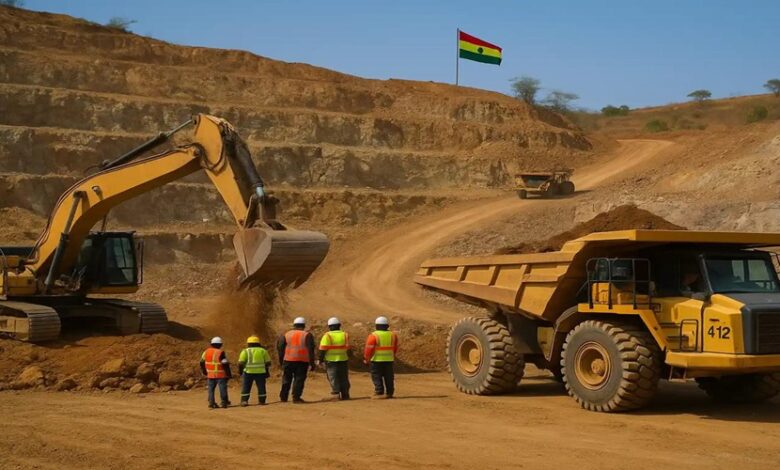
The Ghana Mineworkers’ Union has strongly opposed a reported directive seeking to transition some of Ghana’s largest mining operations to contract mining by December 2026, warning the move could erode labour protections and trigger industrial unrest.
In a letter dated April 23, 2026, addressed to the Chief Executive Officer of the Minerals Commission, the Union described its stance as one of “irrevocable opposition,” rejecting the policy outright.
The directive is said to target major mining companies including Newmont Corporation, AngloGold Ashanti and Zijin Mining, requiring a shift from owner-operated mining to contractor-led operations.
According to the Union, such a transition could significantly reduce worker earnings and weaken job security.
“Workers always have their wages significantly reduced, mostly by at least half of what they were earning under an owner miner for the same job,” the Union stated.
Concerns Over Wages and Worker Protections
The GMWU argues that contract mining models have historically been associated with precarious employment conditions, including lower wages, weaker pension contributions, and reduced long-term benefits.
It further raised concerns about compliance among some local contractors, citing alleged failures to meet statutory obligations such as contributions to SSNIT, Tier 2 pensions, provident funds, and tax payments.
Companies including Engineers & Planners Limited, BCM Ghana Limited, Rocksure International and Electrochem Ghana Limited were cited in the Union’s concerns, with allegations of inconsistent compliance with worker-related obligations.
The Union also referenced a recent dispute involving Engineers & Planners over unpaid statutory benefits as evidence of risks associated with contractor-led models.
Multinationals vs Contractors
By contrast, the Union maintained that multinational operators such as Newmont, AngloGold Ashanti and Zijin Mining generally provide better working conditions, adhere more strictly to labour laws, and offer stronger protections for employees.
It questioned the rationale behind what it described as a “blanket policy,” arguing that there is no clear economic or operational justification for enforcing such a transition across the sector.
Call for Stakeholder Engagement
The Union is calling on the Minerals Commission to suspend the directive and initiate broad-based consultations involving workers, mining firms, and regulators.
“Workers’ voices are not optional in this discourse; they are fundamental,” the statement emphasised.
The development sets the stage for potential tensions within Ghana’s mining sector, as policymakers balance local participation objectives with labour protections and industry stability.