

FAO Reaffirms Support for Global Food Safety
By Maamee Efua Kwaduah
The Food and Agriculture Organization of the United Nations (FAO) has reaffirmed its commitment to strengthening global food safety and quality standards as the 49th Session of the Codex Alimentarius Commission opened in Geneva.
The session, which brings together Codex Members, observer organizations and international partners, is focused on advancing global food safety and quality standards while supporting countries to effectively implement measures that benefit consumers, producers and international trade.
The Codex Alimentarius Commission, commonly known as Codex, is the United Nations body responsible for developing international food safety and quality standards. Established in 1963 by the Food and Agriculture Organization of the United Nations (FAO) and the World Health Organization (WHO), Codex works to protect consumer health and promote fair practices in international food trade.
The Commission comprises 188 Member Countries and one Member Organization, the European Union as well as 246 observer organizations. It meets annually to adopt food safety and quality standards and related recommendations that serve as international benchmarks for countries.
Although Codex standards are voluntary, they guide the development of national food regulations, help reduce barriers to trade, and strengthen consumer confidence by ensuring that food products are safe, properly presented and of good quality.
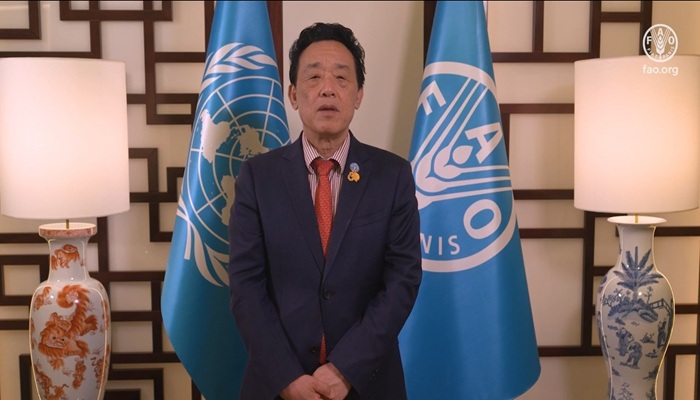
Opening the session through a video message, FAO Director-General QU Dongyu highlighted increased FAO investment in Codex and reaffirmed the organization’s commitment to supporting countries to translate international food standards into practical benefits for consumers, producers and trade.
Mr. QU recalled that the FAO Ministerial Conference in 2025 approved an additional allocation of US$500,000 to the Codex Secretariat under the 2026–27 Programme of Work and Budget to support the activities of the Commission.
He said the additional funding would contribute to the work of newly reactivated subsidiary bodies, ensure the timely publication of Codex texts, and support upgrades to digital infrastructure.
The FAO Director-General also stressed the importance of effective implementation of Codex standards, noting that the benefits of international food standards depend on countries’ ability to apply them.
“Impact depends on implementation without implementation these standards cannot achieve their intended benefits,” Mr. QU said.
He explained that while Codex continues to provide essential tools to improve food safety and facilitate international trade, the next major challenge is ensuring that countries, particularly developing nations, have the capacity needed to implement the standards effectively.
Mr. QU said FAO remains committed to ensuring that Codex continues to receive the scientific advice required to support its decisions while helping countries strengthen their systems for applying food safety standards.
He added that international food standards contribute beyond food safety by helping to build trust, reduce food waste, and create more competitive and equitable markets.
According to him, Codex standards are critical as countries work to transform agrifood systems to become more efficient, inclusive, resilient and sustainable.



