

Xenophobic Actions Threatening Lives in South Africa
By Lois Amanor
Ghanaians have strongly condemned renewed xenophobic attacks in South Africa, describing recent incidents targeting foreign nationals as inhumane, unlawful, and a threat to African unity.
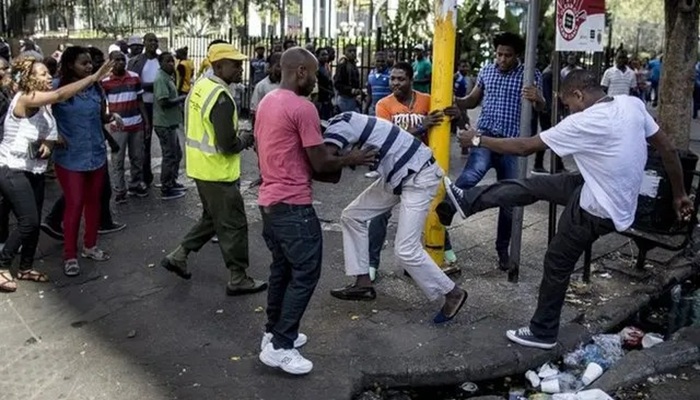
The outrage follows a viral video circulating on social media showing a South African woman allegedly leading a group of youth to attack a Ghanaian resident, accusing him of overstaying and demanding that foreigners leave the country. The footage has triggered widespread anger, with many calling for urgent intervention to protect migrants.
Speaking to ZED News, several Ghanaians criticised the actions, noting that migration in search of better opportunities is a global reality and should not be criminalised. They emphasised that Ghana has historically welcomed nationals from across the region without harassment, urging South Africans to uphold similar values of tolerance and coexistence.
Many respondents rejected the narrative that foreigners are responsible for unemployment, arguing instead that migrants contribute meaningfully to host economies through entrepreneurship, labour, and skills. They stressed that blaming foreigners for economic challenges diverts attention from deeper structural issues.
The incident has also revived memories of previous xenophobic violence in South Africa, where nationals from countries such as Nigeria, Zimbabwe, and Ghana have been targeted. Observers say these recurring attacks continue to strain diplomatic and social relations across the continent.
Some Ghanaians called for stronger institutional responses, insisting that concerns over immigration should be handled through legal and policy frameworks rather than mob action and intimidation. They warned that allowing such behaviour to persist undermines the rule of law and endangers innocent lives.
Tensions appear to be escalating further, with reports of a planned protest in Mthatha on Thursday, April 23. Organisers of the demonstration say they are demanding that employment opportunities be prioritised for South African citizens, reflecting growing frustration over economic conditions.
While acknowledging domestic pressures, analysts caution that targeting foreign nationals risks worsening instability and damaging South Africa’s reputation as a regional economic hub.
Authorities in Ghana have urged calm among citizens but maintain that they are engaging South African officials to ensure the safety and protection of Ghanaians living and working abroad.
The developments have once again highlighted the fragile nature of intra-African relations when economic pressures rise. Many observers argue that addressing xenophobia will require not only law enforcement, but also sustained public education, inclusive economic policies, and stronger regional cooperation. As tensions simmer, the call from Ghanaians remains clear: protect lives, uphold dignity, and preserve the spirit of African solidarity.



