

BoG Governor calls for fairer, faster global debt reforms
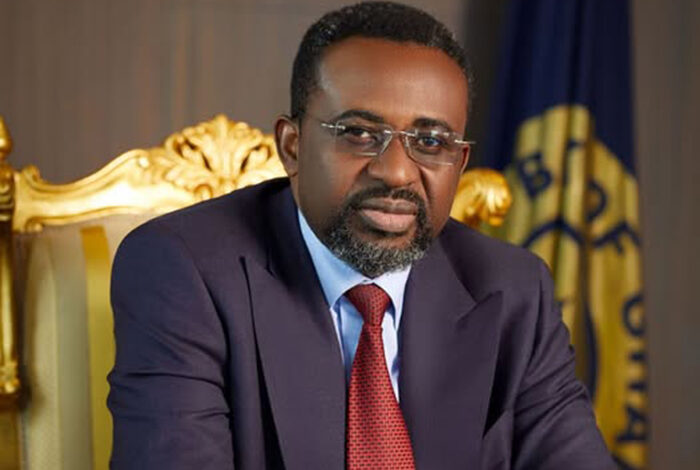
By Praisebell Rosemond Larbi
The Governor of the Bank of Ghana (BoG), Dr Johnson Asiama, has called for stronger global commitment to predictable debt restructuring and greater transparency under the Common Framework and the Global Sovereign Debt Roundtable (GSDR).
Speaking during the African Caucus meeting with IMF Managing Director Kristalina Georgieva on the sidelines of the IMF and World Bank Annual Meetings in Washington, D.C., Dr Asiama said the debt restructuring process must become more transparent and efficient to restore fiscal sustainability and growth across developing economies.
“While we welcome progress under the Common Framework and the Global Sovereign Debt Roundtable, we urge deeper commitment to predictable implementation and improved debt transparency,” he stated.
Ghana’s Experience with the Global Debt Roundtable
Established in 2023, the Global Sovereign Debt Roundtable was designed to foster better understanding among key stakeholders on sovereign debt challenges, promote coordinated solutions, and address structural gaps in the restructuring process.
The initiative, co-chaired by the IMF, World Bank and the G20 Presidency (currently South Africa), brings together bilateral creditors, private lenders and borrowing countries to facilitate smoother debt restructuring outcomes.
The platform has played a crucial role in Ghana’s debt restructuring process since December 2022, when the government announced its decision to seek relief under the framework. The programme aims to reduce Ghana’s debt-to-GDP ratio from about 90 per cent to 55 per cent by 2028, though recent Bank of Ghana data suggests the country is already making faster-than-expected progress.
Ghana recently signed a Bilateral Debt Restructuring Agreement with the Kingdom of Spain, the fifth such agreement under its official creditor framework. This, along with similar deals with other partners, has contributed to lowering the country’s total public debt to GH¢628.9 billion, equivalent to 44.9 per cent of GDP.
Credit rating agencies have cited Ghana’s steady progress in restructuring both bilateral and commercial debt as a key factor supporting the improvement of the country’s credit outlook.
Supporting a Stronger IMF
At the same meeting, Dr Asiama emphasised the need for a well-resourced IMF to maintain its central role in the global financial safety net amid rising global uncertainty.
“A resilient IMF is essential to help countries, especially in Africa, manage persistent shocks and maintain stability,” he noted.
Dr Asiama called for timely and predictable concessional lending, adding that completing the 16th General Review of Quotas (GRQ) and advancing quota realignment under the 17th GRQ are vital to ensuring fair representation and enhancing IMF effectiveness.
He also underscored the importance of transparent borrowing, robust fiscal institutions and stronger risk management frameworks to safeguard financial stability as Africa embraces digital transformation.
“Innovations like artificial intelligence, blockchain and digital currencies present both opportunities and risks, urging the IMF to provide enhanced technical support in cybersecurity, risk-based supervision and macroprudential policy coordination to strengthen Africa’s financial systems,” Dr Asiama cautioned.



