

Radiographer shortage hampers early detection of illnesses in Ghana
By: Rebecca Okine
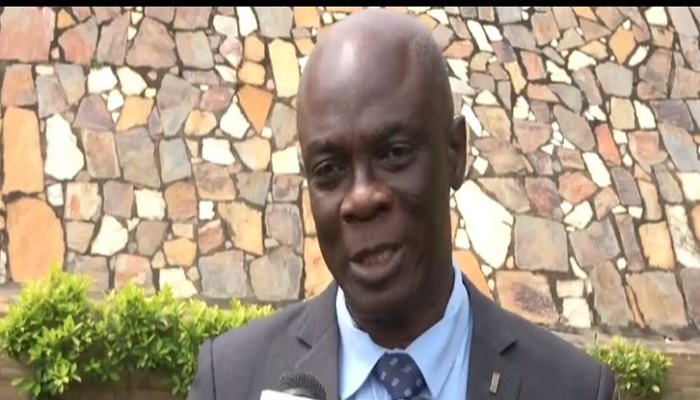
The head of the Imaging Department at the University of Cape Coast (UCC), Professor Eric Kwasi Ofori, has raised concerns about the acute shortage of radiographers in Ghana, warning that it hampers the early detection and treatment of critical illnesses.
Currently, Ghana has only 800 radiographers serving a population of more than 30 million people. The situation is not unique to Ghana, as Nigeria, with a population exceeding 200 million, has just 200 clinical radiographers.
Experts say the deficit makes it difficult to promptly identify and manage life-threatening conditions, particularly those that require imaging of the body’s internal organs.
The President of the Ghana Society of Radiographers (GSR), Dennis Amartey Ahia, disclosed that Ghana has not recruited new radiographers since 2019 due to restrictions imposed by external economic policy directives.
Training challenges also contribute to the shortage. Professor Ofori explained that postgraduate radiography training abroad is costly, often beyond the reach of many potential students.
“To train a postgraduate student in radiography, you need about fifteen to twenty thousand pounds for a year, and if it is a PhD, you have to pay for four years. So it is a challenge, but we have developed a curriculum locally and need government support,” he said.
Radiologists, who interpret medical scans, are even scarcer. Ghana has just 93 radiologists, meaning each serves about 400,000 people. As a result, many patients must travel long distances for imaging services, leading to delays in diagnosis and treatment. At the International Society of Radiographers and Radiological Technologists Conference, held alongside the GSR Triennial Conference for English-speaking countries, Mr Ahia noted that radiographers are broadening their scope to help bridge the service gap and bring essential imaging services closer to patients.



