Banks Target 10% NPL Ratio by End 2026
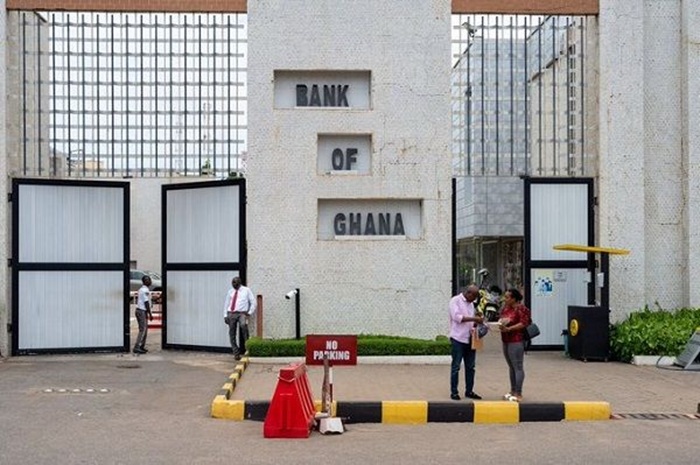
Bank of Ghana says Ghana’s banking sector is on course to significantly reduce non-performing loans (NPLs) to around 10 percent by the end of 2026, a development expected to strengthen financial stability and support the country’s broader economic recovery.
Governor of the central bank, Johnson Pandit Asiama, disclosed this while briefing the Parliament’s Committee on Economy and Development in Accra on the performance and outlook of the banking sector.
According to the Governor, banks have now developed a clear strategy aimed at improving asset quality and lowering the level of bad loans in the financial system.
“Banks now have a clear roadmap to reduce NPLs toward 10 percent by end-2026,” Dr. Asiama told lawmakers, noting that the progress made so far represents a critical step in stabilising the financial sector following recent economic challenges.
Non-performing loans, loans for which borrowers have failed to meet their repayment obligations, have long posed a major risk to the banking sector in Ghana. High levels of NPLs weaken bank balance sheets, reduce profitability and constrain the ability of financial institutions to extend credit to businesses and households.
At the beginning of 2025, the sector faced elevated NPL levels, with the ratio reaching 21.8 percent, reflecting the difficult economic conditions at the time and the lingering effects of the Domestic Debt Exchange Programme.
However, the situation has gradually improved over the past year. The NPL ratio declined to 18.9 percent by December 2025, marking the beginning of a recovery in asset quality across the banking industry.
Dr. Asiama attributed the improvement to a combination of recapitalisation efforts, strengthened regulatory supervision and renewed confidence in the financial system.
“A lower NPL ratio improves banks’ ability to extend credit, reduces risks to depositors and strengthens overall financial stability,” he explained.
The Governor also pointed to several other indicators suggesting that the banking sector is steadily recovering from recent shocks.
According to him, total banking sector assets expanded from GH₵368 billion to GH₵447 billion, while customer deposits grew by nearly 18 percent, rising from GH₵276 billion to GH₵325 billion.
Liquidity conditions within the sector have also remained strong, with liquid assets covering approximately 96 percent of total deposits, indicating a comfortable buffer to meet withdrawal demands.
Credit activity has also picked up. Gross loans increased from GH₵95 billion to GH₵111 billion, while cumulative new loan disbursements rose significantly from GH₵80.95 billion in October 2025 to GH₵104.17 billion by December 2025.
Dr. Asiama said the improvements in asset quality, combined with stronger lending activity, show that banks are gradually regaining their capacity to support the real economy.