Honda and Nissan explore potential merger amid EV market challenges
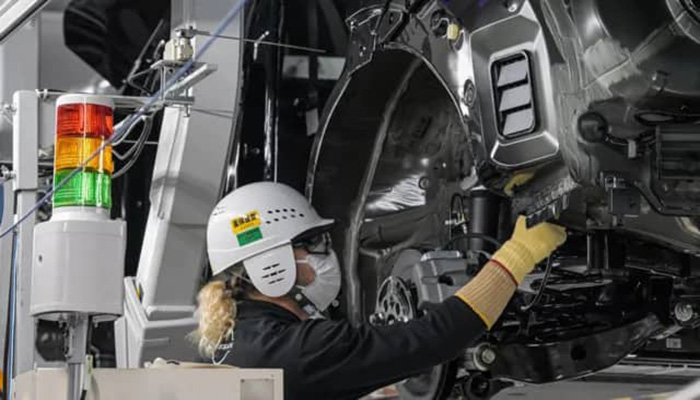
Honda and Nissan have reportedly held preliminary discussions about a potential merger to strengthen their position in the competitive electric vehicle (EV) market, particularly in China.
This follows an agreement in March between the two Japanese automakers to explore a strategic partnership for EV production. Both firms issued identical statements, emphasizing their commitment to leveraging each other’s strengths, but neither confirmed nor denied the merger talks.
The discussions, first reported by Japanese business newspaper Nikkei, are said to be in the early stages, with no certainty of a deal. According to Japanese TV channel TBS, an official confirmation of the talks could come as early as next week.
A potential merger would unite Japan’s second and third-largest car manufacturers, but it is likely to face significant challenges. Any deal could lead to job cuts, triggering political scrutiny in Japan. Additionally, Nissan would need to address its longstanding alliance with French automaker Renault.
Honda and Nissan have been deepening their collaboration in recent months. In August, they agreed to work together on EV batteries and other technologies, alongside Mitsubishi Motors. They also announced plans to discuss broader cooperation in electrification and intelligence, with speculation that Mitsubishi could eventually join any partnership.
Market reactions to the reports have been mixed. Nissan shares surged over 20% in Tokyo trading, while Honda’s stock fell by 2%, and Mitsubishi saw a 13% increase.
The potential merger comes as both companies face mounting pressure in the rapidly growing EV sector, where Chinese manufacturers dominate. China accounted for nearly 70% of global EV sales in November, with companies like BYD gaining significant market share through affordable models. BYD’s revenue recently surpassed Tesla’s for the first time.
In 2023, Honda and Nissan sold a combined 7.4 million vehicles globally but have struggled to compete against cost-effective EV makers. Analysts remain divided on the potential benefits of a merger. While some see it as a survival strategy amid industry disruption, others question whether the two automakers have the products or technologies to regain market competitiveness. The evolving situation underscores the challenges traditional automakers face in adapting to the EV era, particularly against a backdrop of intensifying global competition and rapid technological change.