

KPMG Calls for Stronger Economic Buffers to Deepen Stability
By Praisebell Rosemond Larbi
Professional services firm KPMG is urging government to strengthen economic buffers as the country prepares to fully exit the International Monetary Fund’s (IMF) Extended Credit Facility (ECF) program. According to the firm, the move is necessary to safeguard the economy, ensure fiscal resilience, and prepare the country to meet future financing obligations without external support.
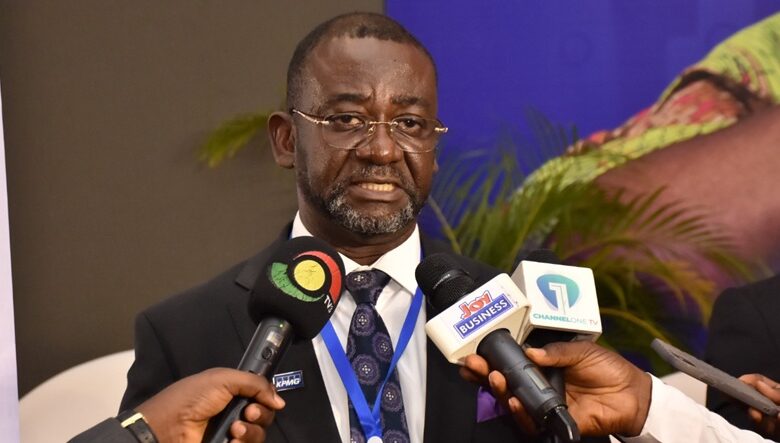
The advice was delivered by the Country Managing Partner of KPMG Ghana, Andy Akoto, during the KPMG/UNDP 2026 Post-Budget Forum, where stakeholders gathered to assess the economic implications of the 2026 Budget and offer recommendations for stronger policy implementation.
Mr. Akoto noted that although the 2026 Budget presents a bold policy direction aimed at stimulating growth and consolidating recent macroeconomic gains, Ghana must also focus on building adequate fiscal buffers to support the economy when the IMF program ends. He cautioned that the country will face significant commitments related to domestic financing, debt servicing, and sustaining growth-related expenditures.
“Even as the government moves to stimulate growth, it is very important that we also build buffers towards the subsequent exit of the IMF program because it will come with several outcomes, including servicing some debt obligations and all that. But overall, we are expectant and hoping that the government will put in place the necessary safety measures to ensure that the laudable initiatives are achieved,” he stated.
He stressed the importance of mobilising more domestic resources, saying the success of the 2026 Budget will depend on the country’s ability to reduce reliance on external financing. Strengthening domestic revenue systems and improving efficiency in public spending, he added, are essential to sustaining economic stability beyond the IMF program.
The 2026 Budget has been widely described as a forward-looking initiative designed to consolidate earlier gains made under the IMF program and place the economy on a sustained path of growth and structural transformation. It outlines measures aimed at expanding infrastructure, boosting the productive sectors, supporting job creation, and improving fiscal discipline.
At the same event, Acting Commissioner-General of the Ghana Revenue Authority (GRA), Anthony Sarpong, expressed optimism that ongoing tax reforms would help broaden the tax net, particularly within the informal sector. According to him, the reforms are expected to support business growth while enhancing compliance and improving government revenue. He assured that the authority is committed to implementing tax measures that are fair, efficient, and supportive of the private sector.
The KPMG/UNDP post-budget forum serves as an important platform for engaging policymakers, businesses, and development partners on economic policy, offering insights that help guide effective implementation of the national budget.



