

BoG Governor urges IMF to tailor support to Africa’s unique fiscal challenges
BoG Governor urges IMF to tailor support to Africa’s unique fiscal challenges
Story: Isaac AIDOO, Accra
Governor of the Bank of Ghana (BoG), Dr. Ernest Addison has emphasized the need for flexible, targeted support from the International Monetary Fund (IMF) towards addressing ongoing fiscal challenges in Africa
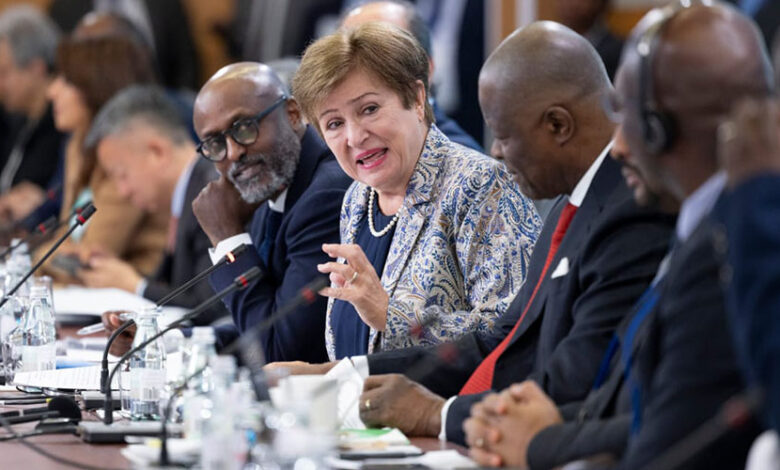
Dr. Addison who was addressing the 2024 Africa Caucus meeting with the Managing Director of the IMF highlighted Africa’s pressing economic difficulties and urged the IMF to tailor its assistance to meet region-specific needs.
Speaking to the theme “Overcoming Fiscal Challenges in Africa,” the BoG Governor underscored the fact that sustainable solutions require both immediate financial support and long-term, concessional financing mechanisms.
Dr. Addison urged the IMF to keep the Poverty Reduction and Growth Trust (PRGT) at the heart of its support, maintaining high concessionality while exploring alternative financing avenues, such as the sale of gold. He emphasized that the PRGT’s critical role in reducing poverty and spurring growth should not be undermined by burdensome interest rate structures. Given the global economic landscape, many PRGT-eligible nations, including those in Africa, are still grappling with the effects of economic downturns, debt distress, and inflationary pressures. In light of these challenges, Dr. Addison asserted that “the timing for the resumption of charging interest rates on PRGT funds through a tiered structure is inappropriate.” Many African economies require greater fiscal relief, not additional financial strain.
Expanding on this point, Dr. Addison criticized the IMF’s surcharge policy, which adds fees to loans for countries already facing fiscal challenges. In a landscape where economic recovery is still fragile, these charges exacerbate debt burdens, impeding countries’ ability to stabilize their economies. “The IMF’s charges and surcharges policy,” he argued, “should avoid adding financial burdens on countries already struggling with fiscal instability.” He noted that more accessible financing options should be available to assist African nations in overcoming persistent fiscal challenges.
One of the major points of concern raised by Dr. Addison was the increased food insecurity across the continent, which has worsened with the expiration of the IMF’s Food Shock Window. Without sufficient emergency funds to counter food shortages, many African nations face heightened risks to food security, which directly affects poverty reduction efforts. Dr. Addison called on the IMF to explore the immediate allocation of resources through the Catastrophe Containment and Relief Trust (CCRT) and to consider program augmentations to counter food crises. With rising global food prices and reduced access to food, swift action is needed to prevent further exacerbation of poverty and hunger in Africa.
In his address, Dr. Addison highlighted the importance of continued fundraising efforts to boost the PRGT and CCRT. He recommended intensified fundraising under the IMF’s second phase of resource mobilization, stressing that consistent financial backing is critical to meet the escalating fiscal needs of African countries.
Dr. Addison also called for a coordinated approach from international financial bodies, particularly the IMF and the World Bank, to address the fiscal complexities in Africa. He urged these institutions to develop and implement resilient fiscal policies that consider Africa’s unique needs, stressing that solutions should be adaptable to different national and regional conditions. This collaborative approach, he noted, would ensure that reform programs do not disproportionately affect vulnerable populations.
Dr. Addison advocated for the IMF to leverage its position to foster stronger partnerships with regional Multilateral Development Banks (MDBs). This collaboration, he explained, would provide additional concessional finance and grants, helping African countries manage their debt restructuring processes more effectively. For nations at high risk of debt distress, concessional financing and grants are essential tools to achieve long-term fiscal stability. Dr. Addison concluded by emphasizing that Africa’s economic recovery hinges on global cooperation, flexibility in financial policy, and targeted, region-specific support that lifts economic burdens and promotes resilient growth. The address by Dr. Addison is a compelling reminder of the intricate fiscal landscape in Africa and the need for global financial institutions to adapt their support. As countries across the continent strive for recovery, it is imperative that the IMF and its partners align their strategies to foster economic stability, address food security concerns, and build sustainable economic frameworks tailored to Africa’s diverse economic realities.



