What If Cedi Stability Does Not Last?
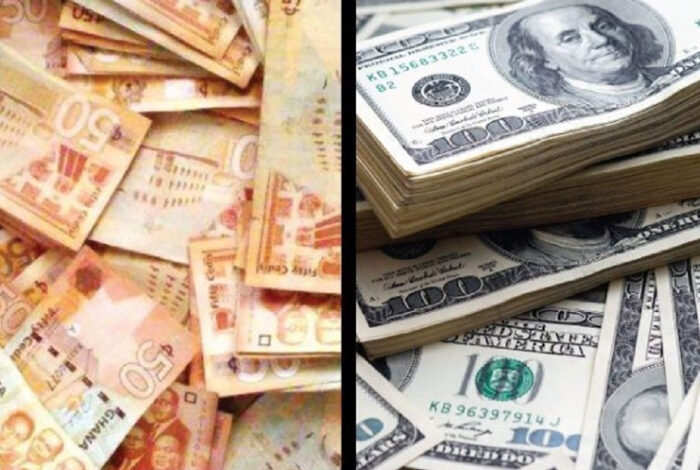
The Ghanaian cedi has been gaining strength in recent months, giving many Ghanaians hope that prices of goods and services could finally come down.
Consumers are watching closely, expecting that the currency’s improvement will make everyday purchases more affordable. Yet, for now, prices remain high, and many are left asking: what if the cedi’s stability does not continue?
For consumers, the situation is worrying. A stronger cedi should reduce the cost of imported goods and ease the pressure on prices, but the relief has not yet reached the market. Businesses say they are waiting for the currency to stay strong before reducing prices, leaving consumers to pay the same high costs they faced when the cedi was weak. This cautious approach by businesses may protect profits, but it keeps everyday Ghanaians from enjoying the gains that should come with a stronger currency.
Households are feeling the pressure more than ever. With Christmas around the corner, families will be spending more on food, gifts, and other essentials. A stable cedi at this time could provide real relief and help households manage their budgets better. Yet, even as the cedi strengthens, families are still struggling to cope with high costs. Many are forced to make difficult choices, prioritizing some needs over others. If the cedi’s stability is short-lived, households will once again face rising prices, and the little hope that currently exists will quickly fade.
The government also has a critical role to play. Finance Minister Dr. Cassiel Ato Forson and the Bank of Ghana must ensure that the cedi’s gains are not lost. The central bank’s strategies, such as forex interventions and programs to strengthen the currency, must continue and be consistent. Policymakers must act responsibly to maintain stability, because if the cedi falters, consumers and households will bear the brunt. Strong policies, transparent actions, and disciplined economic management are needed to translate currency gains into real benefits for ordinary Ghanaians.
It is clear that the cedi’s current gains are fragile. Consumers and households are hoping for relief but without sustained stability, prices could rise again, leaving Ghanaians in the same difficult position as before. Businesses, policymakers and the central bank all have a role to play in ensuring that the strengthening cedi results in tangible benefits at the market.
Ghanaians deserve to feel the impact of a strong currency in their daily lives. If the cedi’s stability is maintained, consumers can enjoy lower prices, households can plan better and the economy can gain confidence. But if the gains are temporary, hope will once again turn into hardship. The time for action is now.