

Digital Economy: Ghana Sets Bold Vision
– To be a leader in Africa’s transformation
Story: Isaac AIDOO, Accra
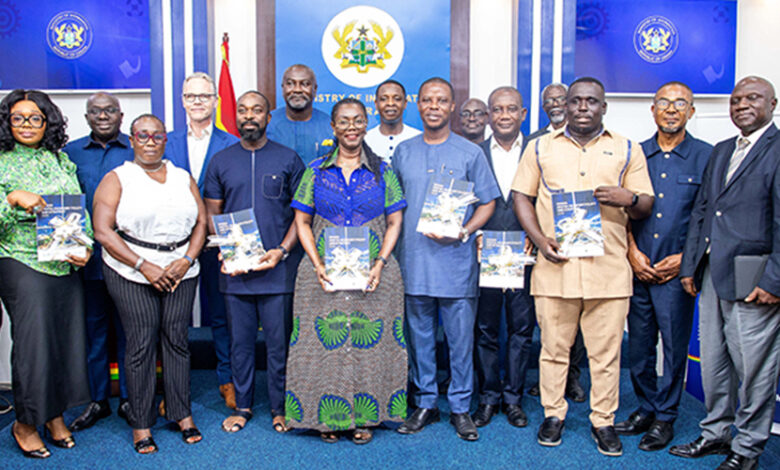
GHANA’S Digital Economy Policy and Strategy was officially launched in Accra yesterday, setting a bold vision for leveraging digital technologies to drive economic growth, create sustainable jobs, and enhance service delivery.
The policy, introduced by the Minister for Communication and Digitalisation, Mrs. Ursula Owusu-Ekuful, outlines a clear roadmap to position Ghana as a leader in Africa’s digital transformation.
Key focus areas for Ghana’s Digital Economy Strategy
The strategy addresses five critical pillars that aim to unlock the full potential of Ghana’s digital economy:
- Universal Access and Connectivity
Ensuring all Ghanaians have access to reliable and affordable internet remains a cornerstone of the strategy. Bridging the digital divide, particularly in underserved and unserved communities, is prioritized through partnerships with the private sector and development organizations. - Digital Government
Leveraging technology to enhance public service delivery is at the heart of the strategy. This includes digitizing government processes to increase transparency, efficiency, and citizen access to essential services. - Digital Skills and Research
Building a digitally literate workforce is key to Ghana’s digital transformation. The policy promotes digital skills training and research programs that equip individuals and businesses with the knowledge to thrive in a technology-driven economy. - Digital Entrepreneurship
By fostering innovation and supporting startups, the policy aims to position Ghana as a hub for digital entrepreneurship. Initiatives will focus on providing funding, mentorship, and resources to entrepreneurs. - Data and Emerging Technologies
The strategy underscores the importance of harnessing emerging technologies like Artificial Intelligence (AI), blockchain, and big data to foster innovation and improve decision-making across sectors.
Driving collaboration for a digital future
Mrs. Owusu-Ekuful stressed the need for cross-sector collaboration, stating that the strategy’s success hinges on collective efforts from government, the private sector, academia, development partners, and civil society.
“This strategy is our roadmap to positioning Ghana as a leader in Africa’s digital future,” she said. “But it will require a collective effort from us all to build a digital economy that benefits every Ghanaian and secures a prosperous future for our country.”
The minister also acknowledged the role of private sector funding in bridging connectivity gaps, particularly in rural areas. She noted that sustainable partnerships and innovative financing models are essential for achieving the policy’s ambitious goals.
Real-world impacts on economy and society
The policy’s implementation is expected to have transformative effects on Ghana’s economy.
- Job Creation: Digital technologies are anticipated to open up new employment opportunities, particularly in the technology and innovation sectors.
- Entrepreneurship: Entrepreneurs will gain access to digital platforms and tools that can scale their businesses.
- Public Service Efficiency: Digital governance initiatives will improve the speed and accessibility of services for citizens.
- GDP Growth: By leveraging digital tools, the government aims to boost productivity and economic output.
The policy also focuses on mitigating challenges associated with digital technologies, such as fraud, misinformation, and cyberattacks. Comprehensive awareness campaigns, including localized audiovisual content, will empower citizens to navigate these challenges safely.
Support from international partners
The World Bank and the Tony Blair Institute were recognized for their instrumental roles in developing the Digital Economy Policy and Strategy. Their contributions have helped shape a forward-looking framework that aligns with global best practices while addressing local needs.
“We are confident that this policy will drive Ghana’s digital transformation for years to come,” Mrs. Owusu-Ekuful said, thanking all stakeholders who contributed to the strategy’s development and launch.
Consolidating gains and charting the future
Although Ghana has already implemented several digital initiatives, the policy serves to consolidate these efforts while charting a strategic course for the future. By ensuring equal access to broadband and digital services, the government aims to create an inclusive digital ecosystem that leaves no one behind. As Ghana embarks on this ambitious journey, the success of the Digital Economy Policy and Strategy will depend on unwavering commitment from all stakeholders. With its focus on innovation, entrepreneurship, and collaboration, the policy holds the potential to transform Ghana into a digital powerhouse in Africa.



