Strong Fiscal Discipline will Sustain Ghana’s Economy
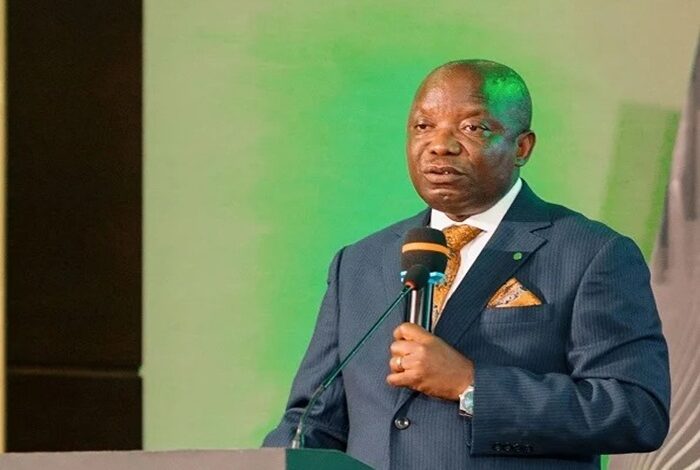
The Country Managing Partner of Deloitte Ghana, Daniel Kwadwo Owusu, has called for sustained macroeconomic discipline, stronger private sector financing and coordinated policy action to deepen Ghana’s ongoing economic transformation.
He warned that recent gains must be deliberately protected to avoid a reversal in progress.
Mr. Owusu observed that Ghana’s economy has recorded notable improvements since 2025, including a drop in inflation to about 3.2 % as of March 2026, alongside signs of exchange rate stabilisation and improved GDP performance relative to debt levels.
However, he cautioned that several risks remain, particularly in the financial sector, where commercial banks continue to show limited appetite for lending to the private sector despite declining interest rates. He cited rising non-performing loan concerns and liquidity constraints as factors affecting credit flow to businesses. Citing Bank of Ghana data, he noted that banks’ investment in government securities has risen sharply from about 40.3% in December 2024 to around 62.3% in January 2026. He described this as a structural imbalance that restricts credit flow to businesses, limiting growth and job creation.
Speaking at the launch of the 10th CEO Summit and Expo, he warned that unless this trend is addressed, Ghana’s economic recovery may fail to translate into real sector expansion. He also referenced concerns from institutions such as the IMF regarding financial sector vulnerabilities, including non-performing loans, which continue to influence lending behaviour and risk appetite.
On fiscal performance, Mr. Owusu expressed concern that Ghana’s tax-to-GDP ratio remains around 10%, significantly below the sub-regional average of about 18%. He described this as a structural weakness that limits government’s ability to finance development and called for bold reforms to strengthen tax compliance, broaden the tax base, and plug revenue leakages.
He urged the Ghana Revenue Authority and other stakeholders to modernise tax administration and improve efficiency in collection systems to support national development goals.
Touching on investment policy, he highlighted the passage of the Ghana Investment Promotion Authority Bill as an important milestone in modernising the country’s investment framework. He said it is expected to improve regulatory coordination, enhance investment facilitation, and create a more predictable environment for investors.
Mr. Owusu also pointed to ongoing infrastructure challenges, particularly in rail and transport systems, noting that these gaps continue to raise the cost of doing business and constrain industrial growth. He stressed that infrastructure development remains key to competitiveness and regional integration.
While acknowledging macroeconomic stabilisation, he warned that unemployment remains a major national challenge, with about 500,000 graduates entering the job market annually. He called for urgent job creation strategies through industrial expansion, private sector development, and investment in value-added sectors such as manufacturing, agro-processing, and services.
He explained that sustainable economic transformation requires credible fiscal rules, transparent governance, and long-term planning that transcends political cycles. When policies are consistent and predictable, businesses are more confident to invest, innovate, and expand.
He called for a national commitment between government, the private sector, and civil society to sustain economic recovery and drive inclusive growth.