

Ghana’s economic stabilization efforts show promise – BoG
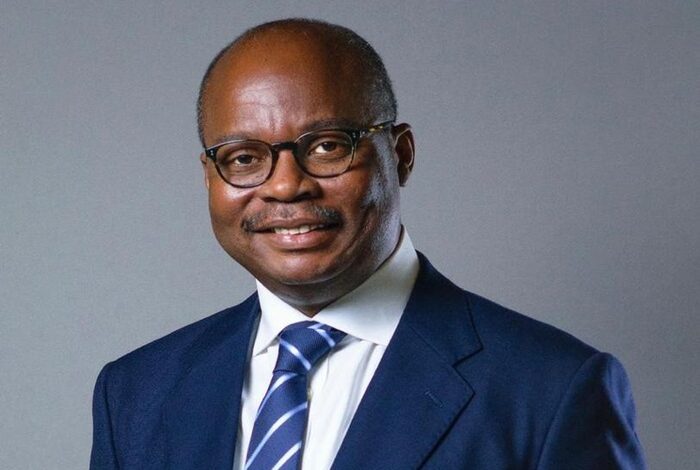
Ghana’s economy is showing signs of stabilization and recovery following a series of significant challenges exacerbated by global shocks, according to Dr. Stephen Opata, Advisor to the Governor of the Bank of Ghana. Speaking at the opening of the WAIFEM/IMF Regional Course on Financial Programming and Policies, Dr. Opata outlined measures taken by the Bank of Ghana to restore macroeconomic stability, improve exchange rate flexibility, and support the financial sector.
He noted that the external shocks, including the downgrade of Ghana’s sovereign credit rating by S&P, Fitch, and Moody’s, loss of international market access, and a balance of payments crisis, severely impacted the Ghanaian economy. These challenges triggered a liquidity crisis for the government and led to the reliance on monetary financing to meet rising debt service obligations and other critical payments.
“The government had no choice but to announce its recourse to an IMF-supported program as a means of restoring macroeconomic stability and implementing wide-ranging structural reforms to build resilience and lay the foundation for stronger and more inclusive growth,” Dr. Opata remarked.
He emphasized that the Bank of Ghana acted swiftly to tighten monetary policy amid rising inflationary pressures, especially driven by oil price surges and exchange rate depreciation. This included aggressive liquidity mopping operations within the banking sector and greater exchange rate flexibility, which helped build reserves and stabilize the cedi. Additionally, the Ghana Financial Sector Fund (GFSF) was established, with $750 million in initial funding from the World Bank and the Government of Ghana, to provide extra support to the financial sector.
These measures are yielding positive results, as Dr. Opata highlighted:
- GDP Growth: In the first quarter of 2024, Ghana’s real GDP growth reached 4.7%, with industrial sector growth of 6.8%.
- Inflation: Inflation decelerated faster than anticipated, dropping to 20.4% in August 2024 from a peak of 54.1% in December 2023. This was driven by strong policy measures and effective liquidity management.
- Fiscal Policy: Fiscal policies remained aligned with the IMF-supported program, helping stabilize the economy.
- Banking Sector: The banking sector has recovered from the adverse effects of the Domestic Debt Exchange Programme (DDEP) and other macroeconomic challenges. Banks recorded significant profits in 2023, correcting losses from the previous year.
- Foreign Reserves: Ghana’s gross international reserves increased to $6.9 billion, representing 3.1 months of import cover, compared to $5.9 billion (2.7 months of import cover) at the end of 2023.
Dr. Opata concluded by expressing optimism that with continued policy discipline and effective economic management, Ghana’s economy will continue its path of recovery and resilience.



