

Deadly Ebola Outbreak Spreads to Fourth Province in DRC
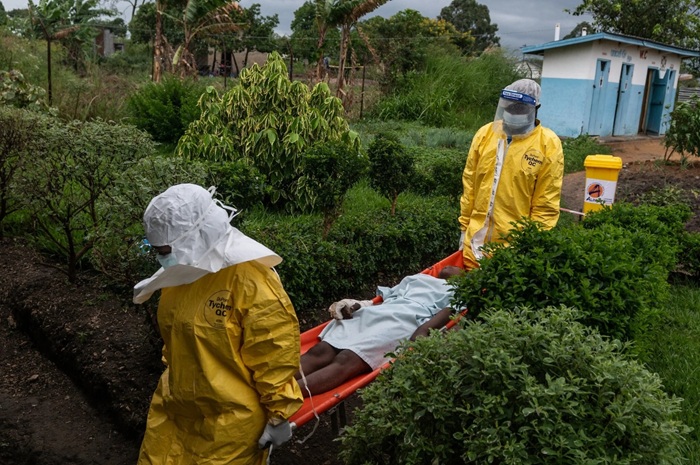
A deadly Ebola outbreak has now spread to a fourth province in the Democratic Republic of Congo, putting the entire northeast of the country, home to about 15 million people, at risk. The World Health Organization (WHO) reports 1,274 confirmed cases and 360 deaths so far.
The DRC declared its 17th Ebola outbreak on May 15. This time, the Bundibugyo strain is responsible. Unlike other strains, there is currently no vaccine or specific treatment available. WHO says clinical trials are expected to begin soon and has issued an international alert over the disease.
Ituri province remains the epicentre, with 1,165 cases and 301 deaths recorded. Scientists and aid workers warn the real numbers could be higher due to limited surveillance and reporting. Until now, North Kivu and South Kivu were the other affected provinces.
The outbreak has also crossed borders. Uganda has reported 20 cases, including two deaths. Haut Uele province, which borders South Sudan and the Central African Republic, is the latest to be affected. Authorities say one case was detected after an infected person travelled from Bunia, the capital of Ituri, into Haut Uele. That patient later died, according to health officials.
Authorities are now tracing contacts to stop further spread. Health experts say funerals remain a major source of transmission. Ebola is highly infectious, and the virus often spreads when mourners touch the bodies of victims. Aid workers have struggled to enforce safe burial practices due to mistrust among local communities.
In Congo, funerals are deeply cultural events, often lasting several days. Family and friends traditionally touch the body of the deceased, a practice that has led to new infections. Health centres have reported confrontations with relatives demanding the release of bodies, complicating safe burial efforts.
WHO and local health authorities warn that without stronger community cooperation, the outbreak could worsen. They stress that safe burials, early detection, and rapid treatment are essential to controlling the disease.
The Bundibugyo strain was first identified in Uganda in 2007 and is considered less deadly than the Zaire strain, but it still poses a serious threat. With no approved vaccine, prevention relies heavily on public health measures and community awareness.
International organisations are scaling up support, but insecurity in conflict hit regions like Ituri continues to hinder response efforts. Aid workers face challenges accessing communities, and mistrust of health authorities has slowed progress.
The outbreak highlights the urgent need for stronger health systems in the DRC and neighbouring countries. Experts say regional cooperation is critical, as cross border movement increases the risk of wider spread. For now, the focus remains on containing the outbreak in the northeast, protecting vulnerable communities, and preparing for possible expansion into other regions. WHO has urged global partners to provide funding and technical support to help Congo fight the epidemic.



