

State-owned banks to complete recapitalisation by December 2025
By Praisebell Rosemond Larbi
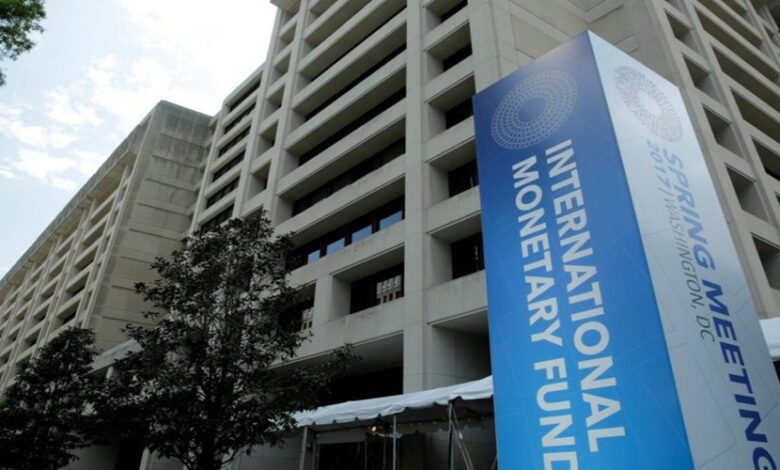
Ghana’s state-owned banks have been given until the end of 2025 to complete their recapitalisation under a new International Monetary Fund (IMF)-backed financial stability plan aimed at reinforcing the country’s banking sector.
The directive was announced following the IMF’s fifth staff mission to Ghana, held from 29 September to 10 October 2025, and led by Mission Chief Ruben Atoyan.
The mission reviewed Ghana’s progress under the USD3.2 billion Extended Credit Facility (ECF), a three-year support programme launched to restore macroeconomic stability, strengthen fiscal governance, and promote sustainable growth.
In a statement issued after the review, Mr Atoyan said Ghanaian authorities had made “strong progress” in restoring financial sector resilience through decisive reforms.
“The authorities have taken strong actions to support financial stability, including implementing the strategy to restructure and reform state-owned banks, addressing gaps in the crisis management and resolution framework, and rolling out a multi-pronged strategy to tackle non-performing loans,” he said.
“The recapitalisation of state-owned banks is expected to be completed by end-2025,” Mr Atoyan added.
Strengthening the Banking Sector
The recapitalisation exercise forms part of Ghana’s broader efforts to stabilise the financial system after recent economic turbulence that left several institutions undercapitalised.
The move will ensure that state-owned banks, which are key players in sectors such as agriculture, housing, and development financing, can meet prudential standards and support the private sector effectively.
The IMF said the reforms are also intended to enhance governance, transparency, and efficiency across state-owned enterprises (SOEs), including those in energy, gold, and cocoa, which have historically exerted fiscal pressure on the government.
IMF Staff-Level Agreement
The Fund confirmed that a staff-level agreement had been reached with Ghana, paving the way for the release of approximately USD385 million upon approval by the IMF Executive Board.
Once approved, total disbursements under the ECF will reach about USD2.8 billion since the programme’s inception in May 2023.
Mr Atoyan reported that macroeconomic stability is taking hold, with growth, export performance, and reserves all improving. Inflation, which soared above 50 per cent in early 2023, has now fallen within the Bank of Ghana’s target band of 8±2 per cent, enabling gradual monetary easing.
Fiscal and Debt Management Progress
The IMF also noted that Ghana’s fiscal consolidation remains on track, with a primary surplus of 1.1 per cent of GDP recorded in the first eight months of 2025.
The government is targeting a 1.5 per cent surplus by year-end and has committed to preparing a 2026 budget consistent with the new Fiscal Responsibility Framework.
In addition, debt restructuring efforts are “progressing well,” the Fund said, with bilateral agreements concluded with several countries under the G20 Common Framework, while negotiations with commercial creditors continue.
Energy Sector Reform and Outlook
The IMF commended Ghana’s progress in addressing structural bottlenecks in the energy sector, one of the country’s largest sources of fiscal strain. It cited successful renegotiations of power purchase agreements (PPAs) with Independent Power Producers (IPPs), improved payments through the Cash Waterfall Mechanism, and quarterly tariff adjustments that better reflect market costs.
According to Mr Atoyan, these reforms are restoring discipline and improving the financial health of the sector, reducing the accumulation of arrears and ensuring sustainable electricity supply.
Positive Outlook for 2026
Looking ahead, the IMF projected Ghana’s medium-term growth at 4.8 per cent in 2026, underpinned by stronger exports, disciplined fiscal management, and improved investor confidence.
“Ghana’s medium-term outlook remains positive, supported by continued reforms, fiscal prudence, and efforts to restore financial stability,” Mr Atoyan said.
The IMF team met with Finance Minister Dr Ato Forson, Bank of Ghana Governor Dr Johnson Asiama, and other senior officials during the mission.
The IMF expressed its appreciation to Ghanaian authorities for their “warm hospitality and continued open and constructive engagement.”



