Time to grow our own chicken
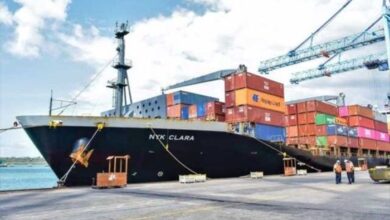
The country’s poultry sector has long struggled under the weight of foreign competition. With over 90 per cent of chicken consumed in the country imported, mostly frozen and cheaper, local farmers have been pushed to the margins.
The government’s upcoming ‘Nkoko Nkitinkiti’ programme, set to launch in October, offers a rare opportunity to reverse this trend and restore confidence in domestic production.
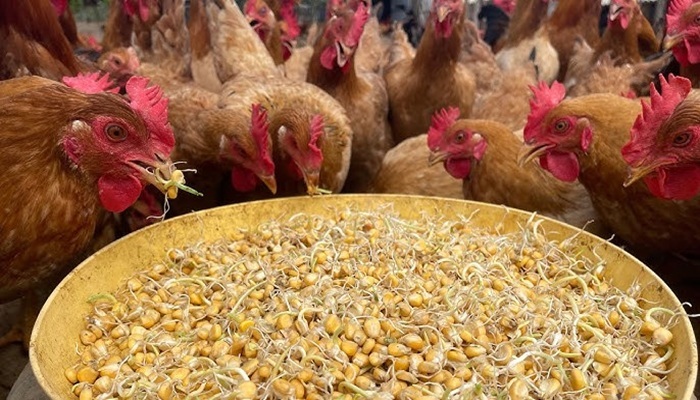
The initiative will distribute three million birds nationwide, with each constituency receiving 10,000 birds free of charge. Commercial and medium-scale farmers will also benefit, receiving birds on a repayable basis. At an estimated cost of GHS200 million, this is not just a handout. It is a strategic investment in food sovereignty.
For poultry farmers, this programme could be transformative. Years of neglect, high feed costs and lack of infrastructure have left many unable to compete. By supplying birds and supporting production, the government is giving farmers a chance to scale up, improve incomes and contribute meaningfully to the economy.
The potential impact on job creation is equally significant. The poultry value chain, from hatcheries and feed mills to processing and distribution, can absorb thousands of young people.
In a country grappling with unemployment, especially among the youth, agribusiness offers a viable path to livelihoods and growth.
Reducing chicken imports will also ease pressure on the cedi and improve Ghana’s trade balance.
According to the Ghana National Poultry Farmers Association, the country spends over 200 million dollars annually on poultry imports. That is money leaving the economy, money that could instead support local farmers, processors and transporters.
But for Nkoko Nkitinkiti to succeed, it must go beyond bird distribution. Feed production, veterinary services, cold chain logistics and access to finance must be scaled alongside. Public-private partnerships will be crucial, as will transparency in how birds are allocated and monitored.
Ghana has the land, the labour and the appetite. What it has lacked is the political will to back its farmers. Nkoko Nkitinkiti could be the turning point if we treat it not as a campaign promise but as a national priority.